Sweden Backs Morocco’s Autonomy Plan for Western Sahara
Rabat, The Gulf Observer: Sweden has officially expressed its support for Morocco’s Autonomy Plan for Western Sahara, describing it as a credible and realistic basis for achieving a final settlement to the long-standing regional dispute.
The Swedish Ministry of Foreign Affairs announced the position following a phone call on Monday between Sweden’s Foreign Minister Maria Malmer Stenergard and Morocco’s Minister of Foreign Affairs, African Cooperation and Moroccan Expatriates, Nasser Bourita.
In a statement, Sweden said its stance is consistent with United Nations Security Council Resolution 2797, adopted on October 31, 2025, which calls for a political, realistic and lasting solution to the Western Sahara issue.
Sweden noted that it considers Morocco’s autonomy initiative a serious and credible proposal capable of serving as a foundation for negotiations conducted under the auspices of the United Nations. The statement emphasized the importance of continued engagement within the UN-led political process.
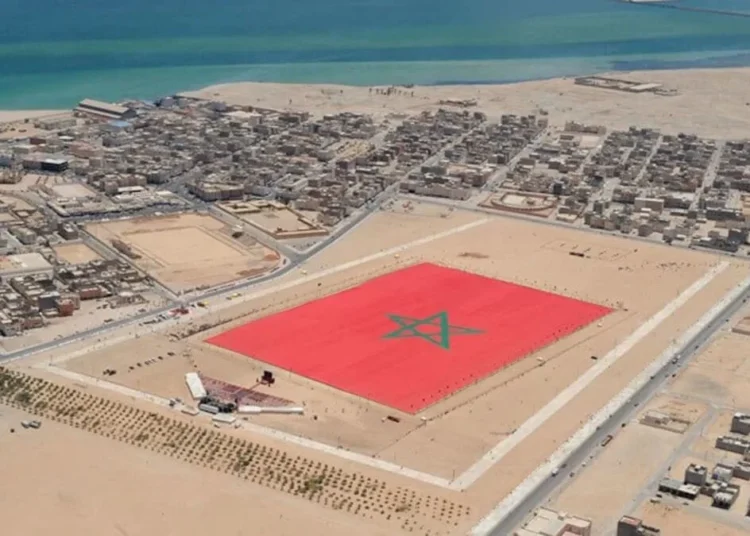
With this announcement, Sweden joins the majority of European Union member states that have publicly supported Morocco’s Autonomy Plan. It also aligns with more than two-thirds of UN member states that have expressed backing for the initiative in recent years. Over the past decade, numerous countries across Europe, Africa, the Americas and the Arab world have endorsed the plan, with several opening consulates in the southern Moroccan cities of Laayoune and Dakhla as a sign of recognition of Morocco’s sovereignty over the region.
UN Security Council Resolution 2797 reaffirmed the council’s support for a political, pragmatic and durable solution to the dispute, underlining that a genuine autonomy arrangement under Moroccan sovereignty represents the most practical and viable option. The resolution also renewed the mandate of the UN mission in the region and urged all parties to engage constructively in the political process.
The United Nations has consistently called for a negotiated settlement, with recent resolutions increasingly stressing realism, compromise and pragmatism—principles closely associated with Morocco’s autonomy proposal.
Morocco first presented its Autonomy Plan in 2007, offering the Sahara region broad self-governing powers, including authority over economic, social and cultural affairs, while Morocco would retain responsibility for sovereignty, national defense and foreign policy. The proposal has gained growing international support as many countries view it as a balanced approach that promotes regional stability and helps avert renewed tensions in North Africa.