EAD and Partners Achieve Significant Milestones in Abu Dhabi Plan Implementation
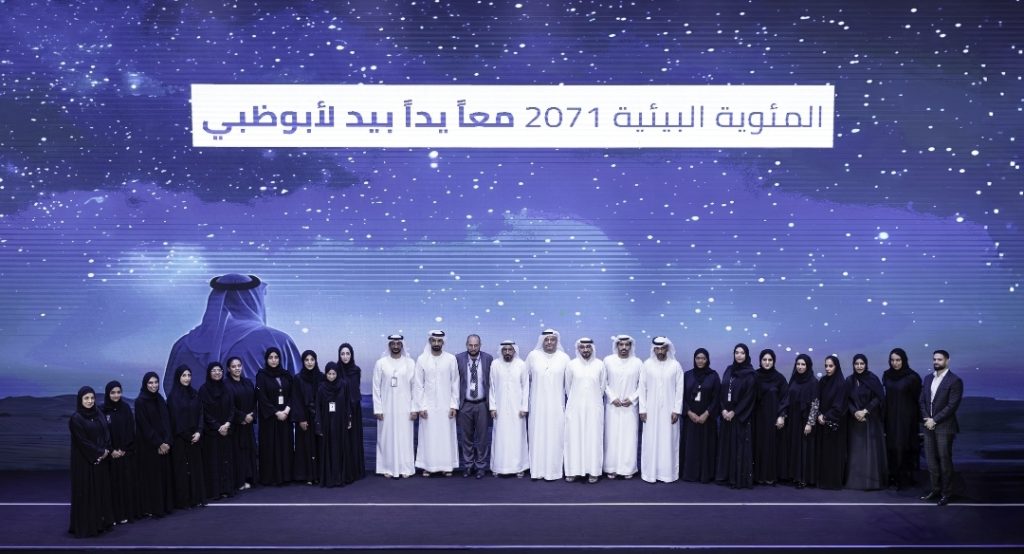
Abu Dhabi, The Gulf Observer: The Environment Agency – Abu Dhabi (EAD), in collaboration with its strategic partners, has announced substantial progress over the past 12 months in implementing the first Abu Dhabi Plan. This plan, running from 2023 to 2025, forms part of the broader Environmental Centennial 2071 goals.
As the principal authority for the emirate’s environmental and sustainability agenda, EAD is committed to fulfilling the Abu Dhabi government’s vision of becoming a global leader in environmental and climate action by 2071.
In 2023, under the Plan’s framework, a total of 212 experts achieved 195 significant outcomes, with an additional 32 positive results accomplished by partners outside the 2023-2025 Environmental Centennial programmes. Key partners include the Department of Municipalities and Transport, the Department of Culture and Tourism, the Department of Energy, and other critical governmental bodies.
Sheikha Al Mazrouei, Executive Director of the Integrated Environmental Planning and Policy Sector, emphasized the Agency’s commitment to implementing the three strategic pathways of the Centennial, which include 65 action programmes designed to enhance cooperation and stimulate future green transformation. Fourteen of these programmes have been completed, with a 49 percent progress implementation rate, positively impacting 18 countries through international partnerships.
Key Achievements:
Vibrant Emirate Thriving in Nature:
- Over a million mangrove seeds planted using drone technology to promote sustainable biodiversity.
- Planting of 800,000 coral fragments, expanding Abu Dhabi’s coral reef area.
- Development of a comprehensive aquaculture plan focusing on seven key pillars.
- Recognition for locally manufactured eco-mattresses supporting marine life in Abu Dhabi Marinas, hosting various marine species.
Sustainable Agricultural Development:
- Increased water-use efficiency and appropriate crop usage per land type.
- Recycled water use in agriculture reached 72 percent.
- Proposal developed to use desalinated water for irrigating 7,600 farms, reducing groundwater extraction.
Water and Air Quality Improvements:
- Comprehensive water management policy for district cooling plants issued and implementation mechanism developed.
- A 33-kilometre micro-transportation pathway created for cycling and walking.
- Inauguration of an air purification tower on Al Hudayriat Island with positive ionisation technology, purifying 30,000 cubic metres of air per hour.
- Enhanced air quality modelling systems and electronic linkage of 40 factory chimneys to the emirate’s monitoring system.
One Health System Development:
- Road map developed to establish a “One Health System” for Abu Dhabi, integrating analyses and cooperation with international universities.
- Advanced system to determine health burdens from air pollution and climate change, offering improved accuracy in public health and economic analysis.
Climate Change Resilience:
Green Force Resilient to Climate Change:
- Announcement of the five-year Abu Dhabi Climate Change Strategy, encompassing 85 projects managed by 15 entities, aiming to reduce emissions by 22 percent.
- Unveiling of the “Abu Dhabi Energy Outlook 2050,” providing a long-term framework for a balanced transition towards carbon neutrality.
These achievements mark significant steps towards fulfilling the goals of the Environmental Centennial 2071, positioning Abu Dhabi as a leader in environmental sustainability and climate resilience.