Indonesia Reaffirms Commitment to Gender Equality and Women’s Empowerment in National Development
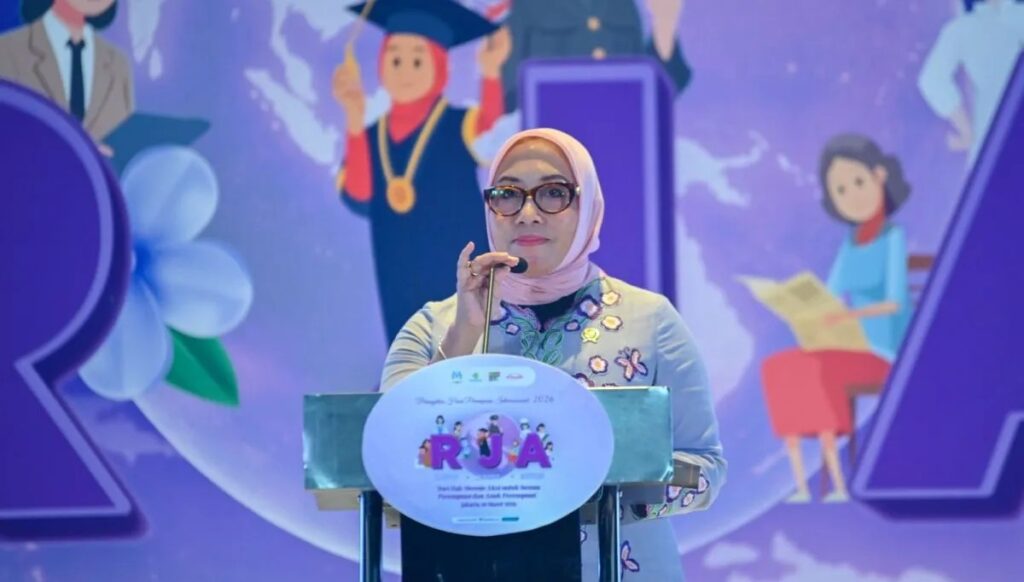
Jakarta, The Gulf Observer: Indonesia’s Minister of Women’s Empowerment and Child Protection, Arifah Fauzi, has reaffirmed the government’s strong commitment to protecting the rights of women and children while ensuring equal opportunities for their active participation in national development.
In a statement issued in Jakarta on Friday, Fauzi emphasized that the advancement of women must begin with the fulfillment of their fundamental rights, followed by the enforcement of justice and the implementation of concrete policies that support sustainable and inclusive development.
“Women’s progress must begin with the fulfillment of basic rights, followed by the enforcement of justice, and realized through concrete actions in sustainable development policies and programs,” she stated.
The minister highlighted that gender equality remains a core principle of inclusive and sustainable development, stressing that women and men should have equal rights, opportunities, access, and participation, as well as equal control over resources and the benefits generated from development.
Fauzi noted that numerous studies demonstrate the positive impact of women’s empowerment, including improved maternal and child health, stronger family resilience, and increased economic productivity within communities.
“Gender equality is not merely a women’s issue, but an essential component of a national development strategy that is inclusive, sustainable, and just,” she added.
She further pointed out that Indonesian women are increasingly occupying strategic roles across various sectors, reflecting significant progress in the country’s development landscape.
According to the minister, Indonesia’s Gender Development Index (GDI) has continued to improve in recent years, rising from 91.63 in 2022 to 91.85 in 2023, and maintaining the same level in 2024, indicating a narrowing gap between men and women, particularly in health, education, and living standards.
In line with the government’s Golden Indonesia 2045 vision, efforts to reduce gender disparities remain a priority. Data from Statistics Indonesia (BPS) also show encouraging progress, with the Gender Inequality Index (GII) declining to 0.421 in 2024, compared with 0.447 in 2023, marking a significant step forward toward achieving gender equality in the country.