Indonesian President Calls for Clean Cities and Villages to Boost Tourism and Foreign Exchange
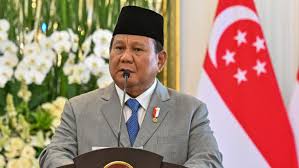
Jakarta, The Gulf Observer: Indonesian President Prabowo Subianto has underscored the tourism sector as a major source of foreign exchange, calling for its optimisation to support the national economy through improved cleanliness and environmental management across the country.
Speaking at the mass signing of subsidised housing loans in Serang, Banten, on Saturday, President Prabowo stressed that clean and well-organised cities and villages are essential to attracting foreign tourists. He warned that Indonesia would struggle to compete with other destinations if urban and rural areas remained poorly managed.
“Tourism is one of the best foreign exchange earners. How can we expect foreign tourists to come to Indonesia if our cities are slums and our villages are dirty?” he said.
The President emphasised that environmental cleanliness is a crucial factor in enhancing Indonesia’s tourism competitiveness. Without a comfortable and orderly environment, he noted, the country risks falling behind regional and global rivals.
To address this, President Prabowo said he plans to convene all regional heads early next year to discuss a comprehensive regional planning strategy. Under the proposal, each province would be encouraged to establish an architectural team to assist local governments in preparing master plans for provincial and district capitals.
The master plans would focus on creating clean, beautiful and well-structured regions to support national tourism development, he added.
According to President Prabowo, effective environmental management could position Indonesia as a leading global tourism destination under the “Beautiful Indonesia” brand, significantly increasing tourism-related foreign exchange earnings.
“Create a master plan for a clean and beautiful city. The impact will be extraordinary. Make Indonesia beautiful,” he emphasised.
The President’s remarks align with earlier initiatives by the Ministry of Tourism, which has promoted the Clean Tourism Movement, placing cleanliness as a key requirement for the development of tourism destinations. Destinations with high standards of cleanliness are widely regarded as having greater social value, reflecting a civilised society and a professional tourism industry.