International Conference in Ashgabat Highlights Health, Nutrition and Climate Resilience in Central Asia

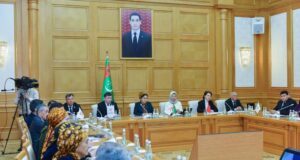
Ashgabat, The Gulf Observer: The International Conference titled “Health and Nutrition in a Changing Climate” was held in Ashgabat on January 22, 2026, bringing together senior officials from relevant ministries of Turkmenistan, representatives of the Food and Agriculture Organization of the United Nations (FAO), the United Nations Development Programme (UNDP) and other international organisations, as well as delegates from Kazakhstan, Kyrgyzstan, Uzbekistan, Tajikistan, Iran and Russia.
In statements delivered by the Turkmen side, participants were told that agriculture, as one of the most important sectors of the national economy, plays a pivotal role in strengthening food abundance and ensuring national food security. It was noted that the introduction of the “green economy” concept in agriculture contributes significantly to sustainable development and environmental well-being.
Turkmenistan is implementing its National Climate Change Strategy and, in cooperation with international organisations, the “One Health” concept. Within this framework, targeted measures are being undertaken to ensure food security and adequate nutrition under changing climate conditions, promote sustainable food production, and strengthen effective international cooperation to improve environmental and socio-economic conditions at both regional and global levels.
Foreign delegates, in their remarks, stressed that climate change has a direct and multifaceted impact on food systems and public health. They noted that Central Asia and neighbouring countries face shared challenges that require coordinated, science-based and regionally aligned solutions.
Conference participants highlighted the need to reform approaches to food systems in order to reduce risks stemming from land salinisation and water scarcity. Emphasis was also placed on developing strategies that preserve biodiversity and ensure access to high-quality food amid climate change.
Special attention during the discussions was given to the “One Health” concept. Speakers noted that integrating its principles into national strategies helps create safe and resilient food production systems capable of withstanding external environmental pressures.
Within the framework of the conference, regional initiatives aimed at strengthening climate resilience in Central Asia were reviewed. Participants stressed that joint projects facilitate the exchange of best practices and innovative methods, including the introduction of drought-resistant crops.
The importance of international cooperation and the active involvement of specialised UN agencies in implementing programmes to adapt agriculture to climate change was also underscored.
At thematic sessions, speakers noted that climate change necessitates a revision of nutrition standards and stronger control over food quality. It was highlighted that extreme heat and changes in soil composition can lead to a decline in the nutritional value of agricultural crops.
Participants further emphasised the need for regional cooperation to focus on establishing cross-border mechanisms for monitoring climate-related risks, alongside efforts to raise public awareness of healthy nutrition.
Discussions also addressed the need to improve access to financing mechanisms for environmental projects, with participants stressing the importance of intensifying efforts to mobilise funds to support agricultural producers.
The sustainability of food production systems was linked directly to social well-being, with speakers noting that ensuring access to affordable and environmentally friendly food products remains a key priority in the context of global climate change. Strengthening research and scientific capacity in the region was also highlighted as an essential component of long-term resilience.
In conclusion, participants emphasised that the recommendations and strategies developed during the conference would make a significant contribution to international efforts to address the impacts of climate change. Project documents were also signed on the sidelines of the international conference.