NA Chairman Trần Thanh Mẫn Calls for Systematic Advancement of “Digital National Assembly” Initiative
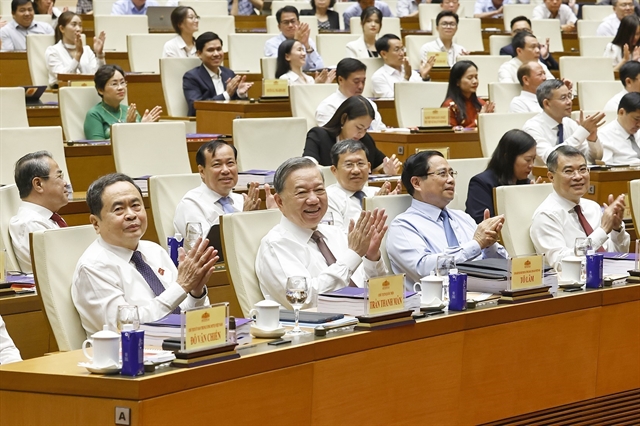
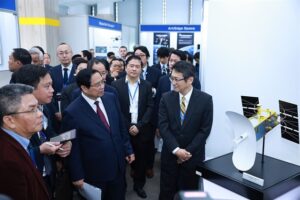
Hanoi, The Gulf Observer: Chairman of the National Assembly (NA) Trần Thanh Mẫn has emphasized the need for systematic advancement and completion of the “digital National Assembly” initiative, while concluding a thematic conference on the digital knowledge and skills framework for a modern legislature in Hà Nội on Saturday.
Party General Secretary Tô Lâm, Head of the Central Steering Committee for the Development of Science, Technology, Innovation and Digital Transformation, attended the event and delivered a keynote speech. Prime Minister Phạm Minh Chính was also in attendance.
For the first time, the conference replaced traditional reports with thematic videos, introducing a digital skills framework and demonstrating the use of artificial intelligence (AI) to support parliamentary work. The programme showcased ChatGPT to clarify key issues and propose concrete solutions to advance the “mass digital literacy – digital NA” movement.
In his address, NA Chairman Mẫn said that building on the previous tenure’s achievements in developing an electronic parliament, the legislature has successfully upgraded and launched the “National Assembly 2.0” application, with the support of the Ministry of Science and Technology, Viettel Group, and a team of Singaporean experts. The application, rolled out at the NA’s 9th regular session, has been widely adopted by deputies, including members of the Council for Ethnic Affairs and NA committees, marking a major shift in awareness and practice.
Mẫn stressed, however, that these achievements are only an initial step and underlined the importance of a systematic rollout in line with directives of Party General Secretary Tô Lâm. He highlighted the need to quickly implement the digital knowledge and skills framework with curricula and lesson plans tailored to the needs of officials, ensuring the materials are easy to understand, remember, and apply.
The NA Chairman called for the development of e-learning programmes, online lessons, and mobile applications, with deployment extended to provincial- and commune-level People’s Councils. He also suggested integrating these programmes into the national digital platform, with learning outcomes recognised as criteria for evaluating the performance of officials and Party members, linked to emulation and commendation work.
Mẫn urged the NA Office to coordinate with the Party Central Committee’s Commission for Information, Education and Mass Mobilisation, the Ministry of Science and Technology, the Ministry of Education and Training, and local authorities to carry out intensive digital skills training campaigns. These efforts, he said, would not only strengthen the capacities of NA deputies and staff but also spread digital literacy across society.
He called on Party committees, authorities, and mass organisations at all levels to adopt the initiative as a key task aligned with ongoing administrative reform.
The NA leader expressed hope that the Ministry of Science and Technology, Viettel Group, and Singaporean experts would continue to support the “Digital National Assembly” initiative, including through investments in digital infrastructure, machinery, and transmission equipment, ensuring the effective application of AI in parliamentary work.