Trump Threatens to Cut Venezuelan Oil to Cuba, Urges Havana to Strike Deal with Washington
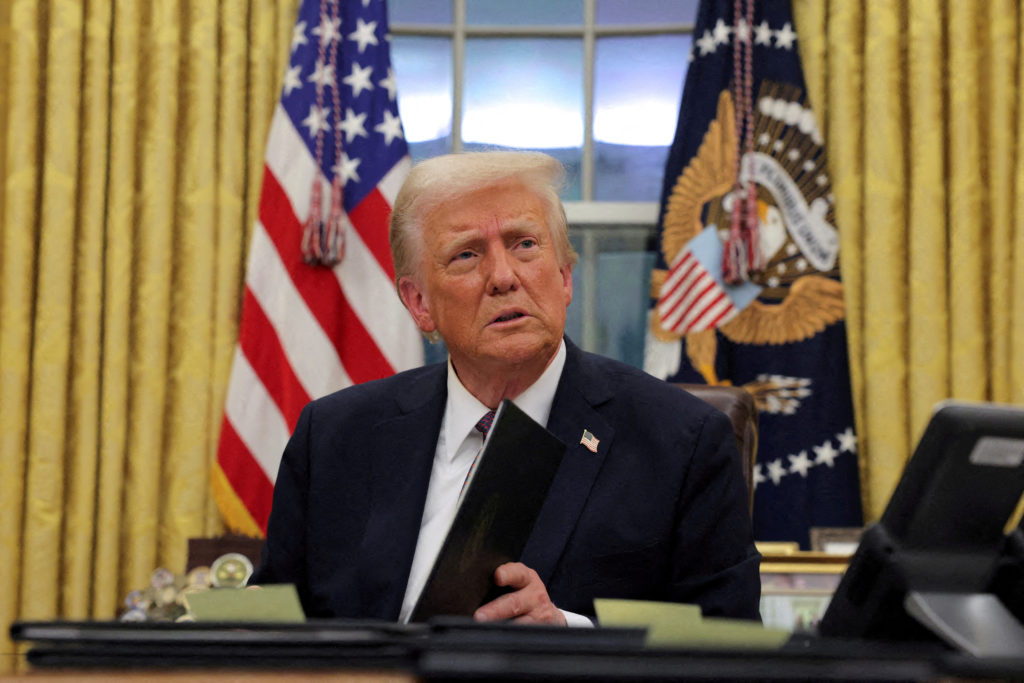
Washington, The Gulf Observer: U.S. President Donald Trump on Sunday intensified pressure on Cuba, declaring that no more Venezuelan oil or financial support will be sent to the island nation and urging Havana to negotiate a new arrangement with Washington “before it is too late.” The remarks, posted on Trump’s Truth Social platform, come amid dramatic shifts in U.S.–Venezuela relations following a recent U.S. military operation in Caracas.
In his message, Trump stressed that Venezuela — historically Cuba’s largest oil supplier — has ceased shipments since the capture of Venezuelan President Nicolás Maduro by U.S. forces earlier this month, against the backdrop of a stringent U.S. oil blockade on Venezuela. “THERE WILL BE NO MORE OIL OR MONEY GOING TO CUBA — ZERO! I strongly suggest they make a deal, BEFORE IT IS TOO LATE,” the U.S. president wrote, calling attention to Havana’s longstanding reliance on Caracas for energy and financial support.
Trump reiterated his view that Cuba depended for years on large quantities of Venezuelan oil and money in exchange for purported “security services,” though he did not specify what terms a potential deal with the United States might entail. Washington and Venezuelan authorities are concurrently advancing a $2 billion agreement under which up to 50 million barrels of Venezuelan oil could be supplied to the U.S., with proceeds managed under U.S. Treasury supervision — an arrangement that underscores evolving ties between the two countries following recent events.
Havana Defends Its Rights
Cuba’s government promptly rejected Trump’s assertions. Foreign Minister Bruno Rodríguez Parrilla posted that Cuba maintains the sovereign right to import fuel from willing suppliers and denied that the island ever received financial or material compensation for security services provided abroad. Rodríguez branded U.S. actions as coercive and insisted that Cuba would not be subject to “blackmail or military coercion.”
The Cuban government also confirmed that 32 members of its armed forces and intelligence services were killed during the U.S. raid on Venezuela, saying they were responsible for “security and defense,” though specific details of their role in Caracas were not publicly disclosed.
Economic Strains and Regional Implications
Cuba’s economic challenges have been exacerbated by declining Venezuelan oil shipments, which previously accounted for a significant share of the island’s crude imports. Analysts note that the loss of this support, combined with enduring energy shortages, frequent blackouts and trade sanctions, could deepen hardship across key sectors of the Cuban economy.
Mexico has emerged as a smaller alternative supplier in recent weeks, although volumes remain modest compared to past Venezuelan deliveries. Mexican President Claudia Sheinbaum acknowledged her country’s growing role in meeting Cuba’s fuel needs, even as overall supply continues to lag.
The U.S. ultimatum to Cuba marks a significant escalation in Washington’s posture toward Havana and reflects broader geopolitical realignments in the Western Hemisphere as the Trump administration seeks to reshape regional energy dynamics and diplomatic relationships.
Summary of Developments
- Trump declares an end to Venezuelan oil and financial flows to Cuba and urges a negotiated deal with the United States.
- Cuban authorities defend their sovereign right to import fuel and reject claims of compensation for security services.
- Economic strain deepens in Cuba amid reduced Venezuelan oil shipments, with Mexico playing a limited alternative role.
- 32 Cuban personnel killed in the U.S. operation on Venezuela — a focal point of regional diplomatic contention.