UAE Aviation Sector Strengthens Global Leadership with Major Achievements in 2025
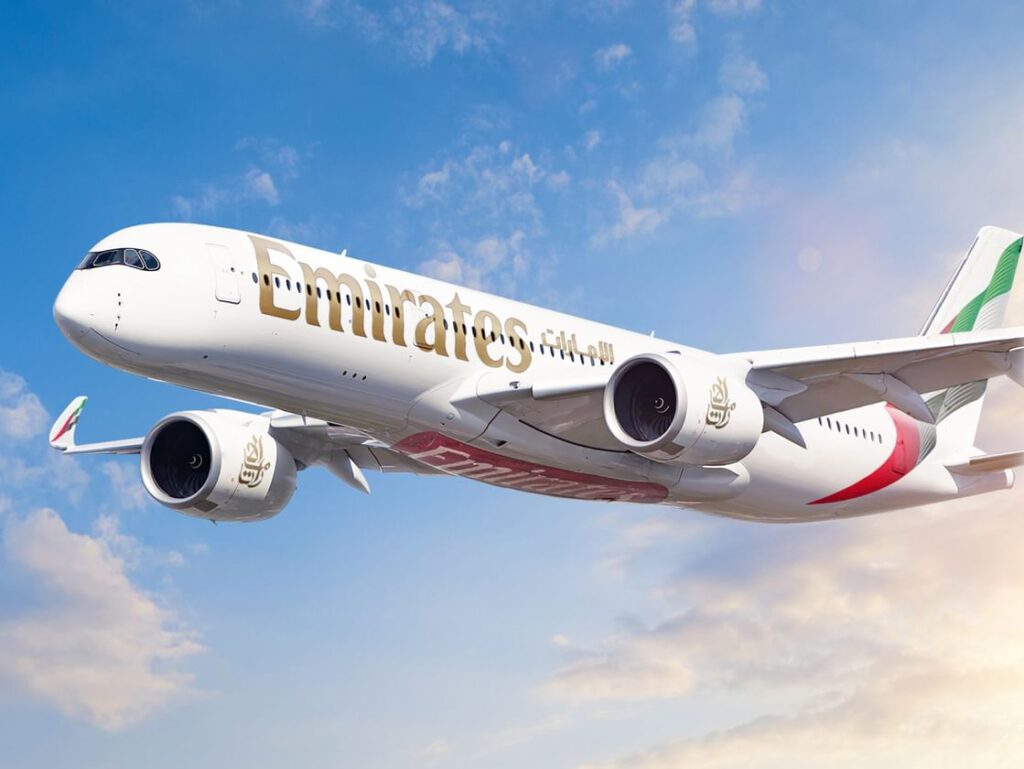
Abu Dhabi, The Gulf Observer: The UAE aviation sector has continued to consolidate its position as one of the strategic pillars of the national economy and a global benchmark in governance, innovation, and sustainability, recording a series of qualitative achievements throughout 2025.
During the year, the sector reinforced its vital role in enhancing the competitiveness of the national economy and supporting key sectors such as trade, tourism, logistics, and supply chains. The aviation industry’s direct and indirect contribution reached up to 18 percent of the UAE’s gross domestic product, underscoring its growing economic significance.
In January 2025, the General Civil Aviation Authority (GCAA) launched a unified national platform for unmanned aerial vehicles (UAVs). The interactive digital platform is designed to regulate and register drone operations, clarify usage requirements, ensure compliance with laws and regulations, and enhance safety, operational efficiency, and the overall investment environment.
In April, the GCAA granted Design Acceptance for the country’s first hybrid heliport at the Abu Dhabi Cruise Terminal at Zayed Port, as part of the ambitious Abu Dhabi Air Taxi project. The hybrid heliport marks a transformative step toward integrated and sustainable air transport across the emirate.
On environmental sustainability, the GCAA maintained its leadership role by submitting the third edition of the UAE’s State Action Plan to Reduce Aviation Emissions to the International Civil Aviation Organisation (ICAO), following Cabinet approval. Developed in collaboration with all key aviation stakeholders, the plan supports the UAE’s global climate commitments while ensuring sustainable economic growth in the aviation sector.
The updated plan reflects the UAE’s proactive approach to global climate action and aligns with ICAO Assembly Resolution A37-19 (2010) and subsequent resolutions. It adopts a comprehensive “basket of measures” to reduce aviation emissions, including 42 projects related to operations and technology, as well as 13 projects focused on sustainable aviation fuel (SAF) and low-carbon aviation fuels.
Internationally, the UAE achieved another milestone by winning a seat on the ICAO Council for the seventh consecutive term. The organisation also re-elected Hamad Salem Al Muhairi, Assistant Director-General of the Aviation Security Affairs Sector at the GCAA, as Chairperson of the ICAO Aviation Security Panel for the third consecutive year.
In a further landmark achievement, Engineer Maryam AlBalooshi, Senior Manager of the Environmental Affairs Office at the GCAA, was elected Chair of the ICAO Committee on Aviation Environmental Protection (CAEP), becoming the first representative from the Middle East to hold the position. Her role involves key international responsibilities in shaping the future of aviation and reducing its environmental impact, while balancing economic development and industry growth.
The UAE also strengthened its status as a global hub for aviation dialogue by hosting and participating in major international events, including the ICAO Global Implementation Support Symposium and the inaugural UAE-led initiative, the Global Sustainable Aviation Market (GSAM), in Abu Dhabi.
During its 235th Session, the ICAO Council officially adopted the UAE’s Global Sustainable Aviation Marketplace as an institutionalised annual event under ICAO’s official calendar—a rare recognition for a state-initiated concept to become a regular, internationally supported platform. Launched in February 2025 on the sidelines of the ICAO Global Implementation Support Symposium, GSAM aims to accelerate sustainable practices in global aviation by bringing together airlines, manufacturers, regulators, investors, and policymakers to promote SAF, low-carbon fuels, and climate finance solutions under the ICAO Finvest Hub.
Meanwhile, UAE airports continued to post record passenger traffic during the first nine months of 2025. Abu Dhabi Airports, Dubai International Airport, and Sharjah International Airport collectively handled approximately 108.59 million passengers by the end of September, reflecting the sector’s sustained growth and global connectivity.
These achievements collectively highlight the UAE’s commitment to advancing aviation excellence, sustainability, and international cooperation, further cementing its role as a global leader in the aviation industry.