UAE Strengthens Smart City Development Through Strategic Investments in Data Centres
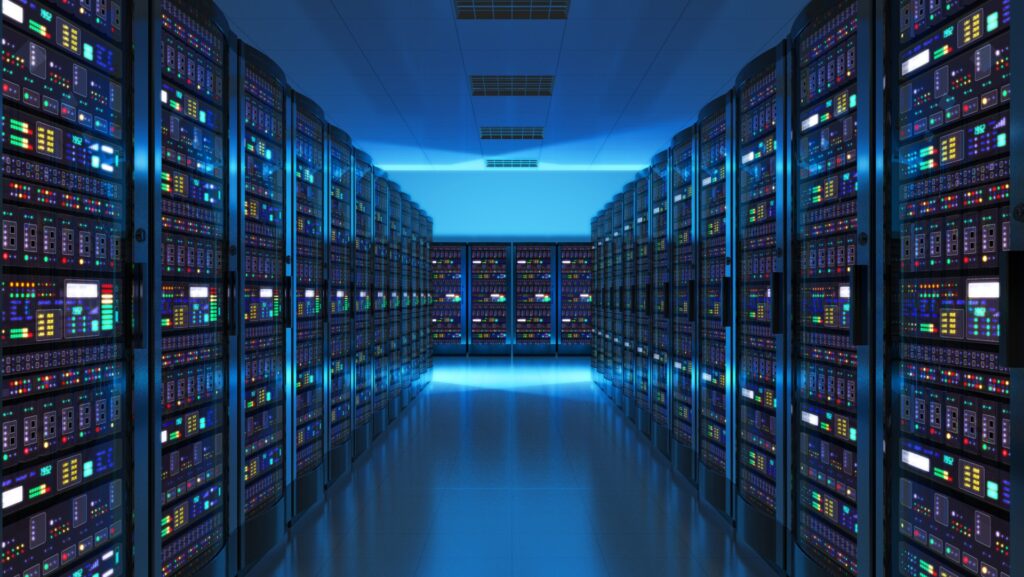
Abu Dhabi, The Gulf Observer: The United Arab Emirates continues to consolidate its advanced model for building smart cities, supported by wide-ranging strategic investments, particularly in data centres that form the operational backbone of smart urban systems and the country’s knowledge- and innovation-driven digital economy.
With the rapid expansion of artificial intelligence (AI), the Internet of Things (IoT), and digital government services, data has emerged as the primary driver of urban life. In this context, data centres have evolved into critical infrastructure enabling real-time management of smart cities.
Amel Chadli, President of the Gulf Cluster at Schneider Electric, stated that data centres now function as the “brain” of smart cities, processing vast volumes of data instantaneously, which in advanced environments can reach several terabytes. She emphasized that this capability has become essential for the UAE, as modern urban systems — including transport, government services, energy management, and public safety — increasingly rely on interconnected digital infrastructure powered by AI and IoT technologies.
Chadli highlighted flagship initiatives such as Masdar City, the Dubai Urban Plan 2040, and the Digital Government Strategy 2025 as clear examples of the UAE’s data-driven urban development model aimed at enhancing quality of life. She noted that transforming this vision into reality requires secure, flexible, and locally based digital infrastructure capable of supporting emerging applications.
She further stressed that the expansion of AI applications is driving significantly higher power demands for data centres, with requirements potentially exceeding 20 to 50 kilowatts per server rack. According to Chadli, the UAE’s investments in sustainable and high-efficiency data centres represent a fundamental step toward building future-ready cities.
Kamel Al-Tawil, Managing Director for the Middle East and North Africa at Equinix, a global digital infrastructure and data centre company, echoed these views, describing data centres as the digital brain of smart cities that enable real-time data processing, analysis, and intelligent decision-making.
Al-Tawil explained that rapid response capabilities, high capacity, and ultra-connectivity are essential to support modern technologies such as AI, IoT, and smart services. He added that seamless connectivity and integrated digital ecosystems directly support the UAE’s vision of developing connected, sustainable cities prepared for future demands.
He also underscored the importance of localising data traffic to reduce latency, enhance performance, and meet growing demand for digital services, including video streaming, cloud computing, online gaming, and e-sports. This is particularly significant given that approximately 83 percent of internet traffic in the Middle East currently transits through Europe.
Data remains the foundational element of any smart city, as efficient urban services depend on the ability to collect information from millions of sensors and IoT devices and analyse it in real time within data centres. Without this capability, smart cities cannot function as integrated systems, limiting the effectiveness of digital solutions.
Economic indicators reflect the scale of this transformation. According to reports by global research institutions, including Research and Markets, the UAE data centre market is expected to exceed US$3.3 billion by 2030. The country already hosts the largest data centre infrastructure in the region and plans to double the number of centres in the coming years, reinforcing its position as a regional and global hub for data storage and processing.
The UAE remains among the world’s leading investors in smart cities, with a strong focus on artificial intelligence, the Internet of Things, data centres, and advanced telecommunications networks, underscoring its commitment to building resilient, intelligent, and sustainable urban environments.