Uzbekistan, Kazakhstan Presidents Hold Talks in Bukhara to Deepen Strategic Partnership

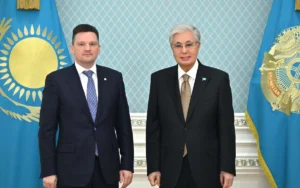
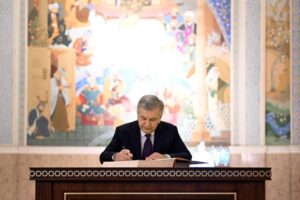
Bukhara, The Gulf Observer: The President of the Republic of Uzbekistan, Shavkat Mirziyoyev, held a high-level meeting with the President of the Republic of Kazakhstan, Kassym-Jomart Tokayev, in the historic city of Bukhara, where both leaders reaffirmed their commitment to strengthening bilateral ties and advancing regional cooperation.
At the outset of the meeting, President Mirziyoyev congratulated President Tokayev on the successful conduct of Kazakhstan’s referendum on the new Constitution. The two leaders emphasized that regular informal regional meetings have become an effective platform for open and constructive dialogue on both bilateral and regional agendas.
The discussions reflected satisfaction over the steady implementation of agreements reached during President Tokayev’s previous visit to Uzbekistan. Both sides highlighted the growing momentum in intergovernmental and interparliamentary cooperation, alongside a consistent increase in bilateral trade, which reached $5 billion last year.
The leaders underscored the successful execution of joint projects across key sectors, including automotive manufacturing, infrastructure development, logistics, electrical engineering, and building materials. They also explored new avenues for cooperation in chemistry, geology, energy, and the production of automotive components.
A significant portion of the talks focused on enhancing transport and logistics connectivity. The presidents stressed the importance of modernizing border infrastructure, removing logistical bottlenecks, and establishing efficient transport corridors to improve access to international markets. They also reviewed progress on major regional initiatives, including the construction of the Kambarata hydropower plant and the promotion of green energy export projects.
Environmental sustainability featured prominently in the dialogue, with both sides emphasizing the need for coordinated efforts to ensure the rational use of water resources and to implement regional environmental initiatives, including Clean Air projects in border regions.
The two leaders also agreed to expand cooperation in innovative and high-tech sectors, including space technologies, digitalization, e-commerce, and startup development. They reaffirmed their intention to strengthen cultural and humanitarian ties through initiatives such as Culture Days, youth forums, and collaboration in the creative economy and tourism sector.
During the meeting, deputy prime ministers from both countries presented updates on trade and economic cooperation, including strategies to boost bilateral trade to $10 billion in the near future.
The leaders also exchanged views on key regional and international issues of mutual interest. Following the talks, both governments were instructed to develop a comprehensive roadmap to ensure the effective implementation of the agreements reached during the meeting.