Vietnam Prepares for 16th National Assembly Elections with Emphasis on People-Centered Governance
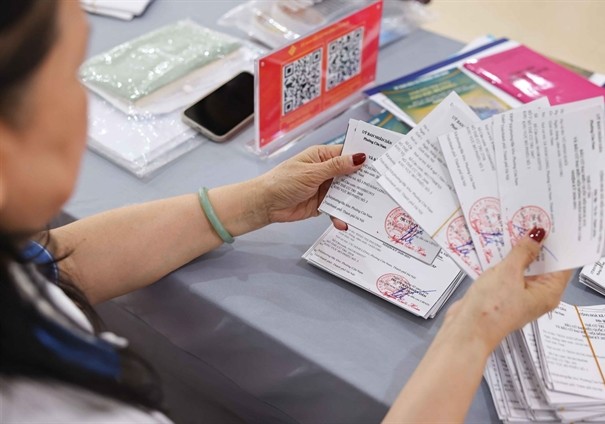
Hanoi, The Gulf Observer: Vietnam is set to hold elections for deputies to the 16th National Assembly and people’s councils at all levels for the 2026–2031 tenure on March 15, a major political event aimed at ensuring that state power truly belongs to the people under the leadership of the Communist Party of Vietnam.
Authorities described the election as a key national task for 2026, emphasizing that preparations have been carried out thoroughly to ensure the process is democratic, lawful, safe, and cost-effective, while turning the vote into a nationwide celebration of civic participation.
Personnel Selection Central to Election Preparations
Officials say personnel work remains the most critical stage of the electoral process. Over the past 80 years since Vietnam’s first general election in 1946, the National Assembly has evolved alongside the country’s development, serving as an institution that promotes socialist democracy and ensures that state authority rests with the people.
Preparations for the upcoming election began early. On May 16, 2025, the Politburo issued Directive No. 46-CT/TW, outlining the framework for organizing the election. Later, during a national conference on November 15, 2025, Communist Party General Secretary Tô Lâm stressed that the new term would be crucial for achieving Vietnam’s long-term development goals.
He called for the selection of candidates who are capable, responsible, and innovative, emphasizing the need for individuals willing to take initiative and contribute to policymaking for both national and local development.
To further strengthen preparations, the Politburo and Secretariat issued Conclusion No. 03-KL/TW on February 23, urging party committees and organizations nationwide to ensure democratic candidate selection while increasing the proportion of full-time legislators.
Candidate Numbers and Representation
According to Tạ Thị Yên, deputy chairwoman of the National Assembly’s Committee for Deputy Affairs, the candidate pool for the upcoming election has improved in quality and meets the required standards.
For the 16th National Assembly, 864 candidates are contesting 500 seats, representing a ratio of 1.73 candidates per seat, including five self-nominated candidates.
Meanwhile, the official list for people’s council elections includes 4,217 candidates, with an average of 1.65 candidates per seat, while 120,873 candidates are running for commune-level people’s councils, averaging 1.66 candidates per position.
Election bodies across the country have been established on schedule to ensure stability and continuity throughout the process.
“People as the Root” Principle
Vietnam’s development orientation for 2026–2030, outlined in the Resolution of the 14th National Party Congress, highlights the central role of the people in governance. The principle that “the people are the root” remains a cornerstone of national policy, viewing citizens as both the driving force and the central focus of the country’s reform and development.
Authorities say all policies must reflect the legitimate needs and interests of the people, with public satisfaction serving as a key measure of effective governance.
Nationwide Engagement with Voters
In recent weeks, candidates have been meeting voters across the country to present their action programs and discuss policy priorities. Many candidates have pledged to maintain close contact with citizens, listen to public concerns, and convey their views to legislative bodies and relevant authorities.
Key issues raised during these engagements include improving state governance, investing in infrastructure, accelerating digital transformation, enhancing social welfare, and implementing a streamlined two-tier local administration model.
The election also comes at a time when Vietnam is pursuing major administrative reforms and restructuring governance systems to support the country’s next stage of development.
Eight Decades of Electoral Milestones
From the first general election in 1946 to the present day, Vietnam has successfully organized 15 National Assembly elections, each marking significant milestones in the nation’s political and historical journey.
Officials say the consistent leadership of the Communist Party in organizing these elections has been a decisive factor in ensuring their success and reinforcing the principle that state power ultimately belongs to the people.