Wind Power Drives Morocco’s Electricity Mix, Reduces Reliance on Fossil Fuels
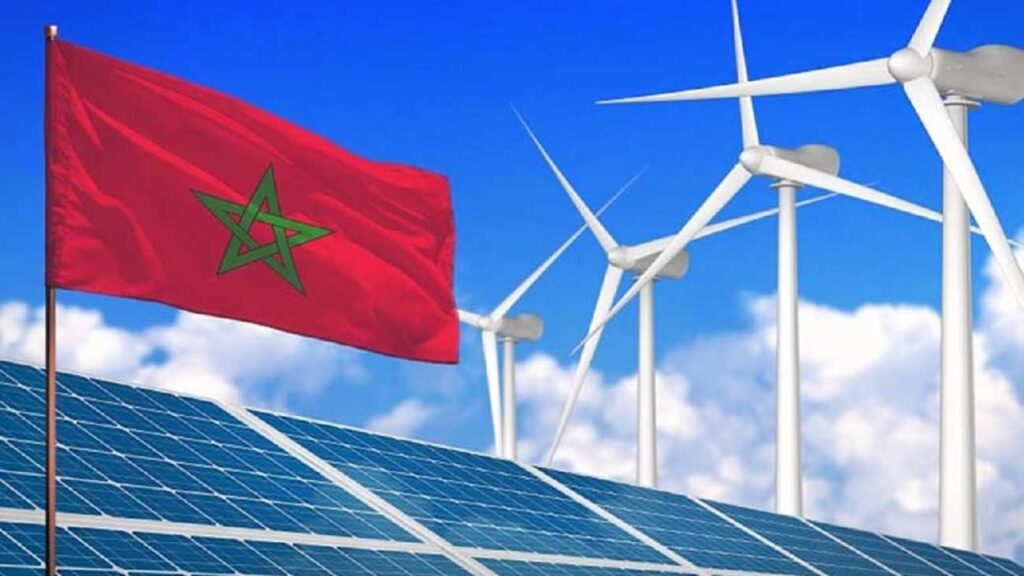
Rabat, The Gulf Observer: Wind energy is emerging as the driving force behind Morocco’s electricity mix, pushing renewable power generation to record levels and steadily reducing dependence on fossil fuels, according to the latest annual report by the National Electricity Regulatory Authority (ANRE).
By the end of 2024, Morocco’s installed wind energy capacity reached 2,390 megawatts (MW), marking an 18.5 per cent increase compared to the previous year and accounting for 20 per cent of the country’s total installed electricity capacity.
ANRE attributed the growth to the commissioning of two major projects: the 270 MW Jbel Lahdid wind farm near Essaouira, developed under an Independent Power Producer (IPP) agreement with the National Office of Electricity and Drinking Water (ONEE), and the 100 MW Repowering Koudia al Baida project in Tetouan, developed in partnership with the Moroccan Agency for Sustainable Energy (MASEN).
Wind power generation surged to a record 9,363 gigawatt-hours (GWh) in 2024, a 43 per cent increase from 2023. Wind energy accounted for 21 per cent of national electricity production and 80 per cent of renewable output. Most of this electricity was produced by IPPs, which supplied 47 per cent, and private operators in the liberalised market, which accounted for 43 per cent, while ONEE, MASEN, and self-producers contributed smaller shares.
Total renewable electricity capacity reached 5,439 MW, representing 45 per cent of Morocco’s electricity mix. Wind energy led with 44 per cent of renewable capacity, followed by hydroelectric power at 24 per cent, solar energy at 17 per cent, and pumped-storage facilities at 15 per cent.
Renewable electricity generation totalled 11,666 GWh in 2024, reflecting a 27 per cent increase year-on-year.
Installed solar capacity rose to 928 MW; however, solar power generation declined by 25 per cent to 1,617 GWh due to the temporary unavailability of the Ouarzazate Nour III plant. MASEN accounted for 86 per cent of solar output, ONEE for 13 per cent, and self-production for 0.2 per cent.
The Abdelmoumen pumped-storage power station, commissioned in October 2024, added 350 MW to the grid and produced 135 GWh during its initial months of operation. The facility has enhanced system flexibility, particularly for integrating renewable energy, while total pumped-storage production increased by 124 per cent to 365 GWh.
The expansion of renewable energy has contributed to a gradual decline in fossil fuel-based electricity generation. Coal, although still the largest source at 60 per cent of total production, fell by 4 per cent, while fuel oil and diesel generation declined by 9 per cent. Natural gas output rose slightly, supporting grid flexibility to balance intermittent renewable sources.
Morocco aims to raise the share of renewable energy in its electricity mix to more than 52 per cent by 2030. National electricity demand reached 45.71 terawatt-hours (TWh) in 2024, up 4 per cent year-on-year, with more than 95 per cent of demand met through domestic production, underscoring the country’s growing capacity to meet rising energy needs while advancing its energy transition.