A SWOT Analysis of BRI in Context of Socio-Economic Impact, Tourism, and Global Partnerships
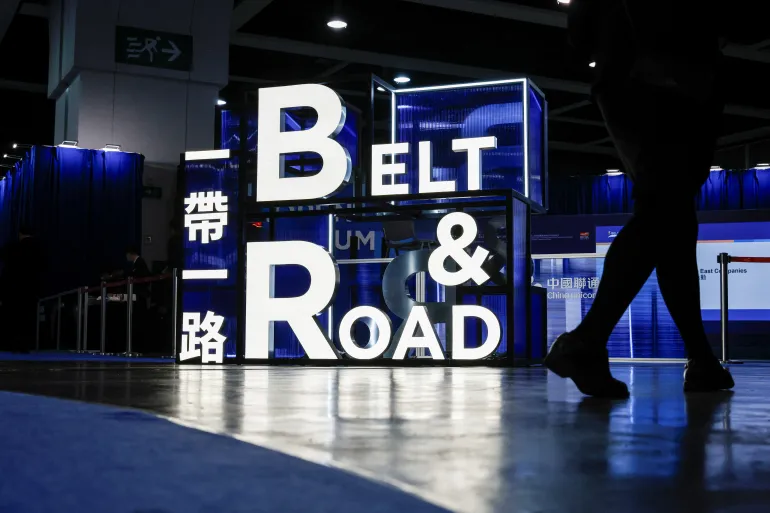
BRI is a gigantic development initiative in South Asia, envisioned to transform economic geography focusing on trade, technology, transportation, climate, and energy, yet its sustainability is contested. Hence, this SWOT analysis intends to provide momentary glance for multiple dimensions of prevailing provisions and practices of BRI and B3W in the Pakistani context.
Strengths: Pakistan is experiencing a joint transformative framework of development under Belt and Road Initiative (BRI), which is targeting reducing regional disparities, attracting massive investments, connecting remote regions and providing employability opportunities to a large group. These revolutionary measures have not only connected Pakistan with international markets but also paved the way towards economic sustainability. Human capital is getting global opportunities for knowledge transfer through collaborations, inculcation of the latest technologies, moreover institutional reforms that are very encouraging as practising transparency and good governance initiatives.
Gwadar, Gilgit-Baltistan and Hunza are now accessible to national and international tourists due to transformative position of CPEC, which has strengthened air and road transport systems, hotel and restaurant business. This large-scale global exchange is beneficial for improving Pakistan’s image at international level. Hence sustainable tourism under umbrella of CPEC is promoting eco-friendly facilities, diversification of tourism and domestic empowerment.
Geopolitical analysis of BRI and G7’s Build Back Better World (B3W) highlights geostrategic value of Pakistan as it is positioned at crossroads of Asia, and inclusion in Blet and Road initiative (BRI) via CPEC has given a sustainable boost to trade, industry and infrastructure. Pakistan is growing due to long-term visionary investments under BRI, Conversely, B3W’s has added new feathers to foreign relations of Pakistan by its focus on climate change, governance, health and gender equity. Hence, by creating balance in both perspectives Pakistan can achieve many benefits.
Weakness: Although human resources are aligned with state-of-the-art infrastructure, which leads toward sustainable development, but implementation still faces many regional challenges, such as a lack of transparency, financial mismanagement, environmental degradation, capacity-building issues, less domestic participation, red tape and uneven regional benefits. Debt is a consistent weakness for Pakistan, especially in energy and transport sectors, as Pakistan is taking loans from various agencies and countries like China.
Pakistan is lacking in integrated tourism policies, poor lodging and sanitation facilities, lack of due infrastructure as per international standards, inadequate security situation and lack of capacity to manage heavy flow of tourists. BRI do emphasize revisiting this sector with focus on socio-economic development.
Pakistan may face debt vulnerabilities and political pressure due to weak political will and half hearted approach in structural reforms. However, lack of coherent national strategy can lead to increased geopolitical pressure on Pakistan from Western Blocs. Hence, instead of being an active negotiator, Pakistan may become a passive recipient due to weak policy reforms.
Opportunities; The economy of Pakistan has unprecedented opportunities due to CPEC, and due to connectivity with Central Asia, Middle East and Africa, is emerging as a strategic trade hub. Exports diversification, huge foreign investments and industrialization can evidently flourish due to Special Economic Zones (SEZs). Moreover, the chronic energy crisis of Pakistan is coming towards sustainable solution, especially in Khyber Pakhtunkhwa and Gilgit-Baltistan. Social mobility can also be a credit of this venture as people are getting capacity-building opportunities to meet professional needs. Due to this Pakistan is getting a better diplomatic position and creating pace for SDGs.
A uniform tourism network can be expanded to connect northern and coastal regions of Pakistan through roads and railways. Mountains and lakes of Gilgit-Baltistan and Khyber Pakhtunkhwa, Ports of Gwadar for cruise operations and beach tourism, beauty of Thal, cultural heritage and diversity of Punjab, glory of capital, can attract world towards Pakistan as a fascinating destination.
Under BRI, Pakistan is connected with Africa, Europe and Asia for trade, technology and security partnerships and from B3W got partnership opportunities for climate resilience and renewable energy sources. Pakistan is working as a mediator among global powers due to its strategic location, hence has opportunity of diplomatic leverage for effective negotiation for all investments and prospects.
Threats: There are many threats, such as terrorism, regional rivalries, geopolitical instability, tension between India and China, security concerns, and insurgency in Balochistan. A significant factor associated with Pakistan is political, which affect the sustainability of mega projects in Pakistan; moreover, debt threats due to global narrative of debt-trap diplomacy and payment crises are also major threats in this regard. Ecological balance is also being jeopardized by deforestation, land displacement and carbon emission.
Security concerns, negative media narrative about Pakistan, unplanned commercialization, cross-boarders tensions, and environmental degradation may undermine sustainability by all means. Economic dependency, political scenario, lack of an integrated policy framework and financial mismanagement are also contributing factors to compromised situation of tourism industry in Pakistan. Now Pakistan is facing major challenges of climate change, natural disasters such as floods and earthquakes, along with global travel restrictions which are hindrance for tourism sustainability.
Regional security concerns, governance deficits, geopolitical rivalry, debt distress could cause jeoparadized foreign investment, financial imbalance and limited flexibility for Pakistan that may affect connectivity.
Conclusion
BRI is a catalyst for socio-economic development of Pakistan because it is transforming socio-economic scenario of Pakistan and aligning practices with theory of Sustainable Development Goals (SGDs). However domestic participation, institutional capacity, economic resilience, environmental safeguards, state-of-the-art infrastructure, national policies of tourism aligning local communities with national and international human capital, strategic neutrality, sustainable governance are being ensured by pragmatic diplomacy and structured domestic reforms under the initiative. Hence BRI initiative collateral with ambitions and anxieties, can be materialized with mutual efforts for the benefit of mankind.