Indonesia Assures Stable Energy Supply Amid Regional Crisis Triggered by Middle East Conflict

Jakarta, The Gulf Observer: Indonesia’s Ministry of Energy and Mineral Resources has affirmed that the country’s energy supply and reserves remain secure and well-managed, despite rising global concerns following escalating tensions in the Middle East.
Ministry spokesperson Dwi Anggia stated on Wednesday that Indonesia’s oil fuel and liquefied petroleum gas (LPG) supplies are currently at safe levels, with authorities maintaining close oversight of the situation.
“As for Indonesia, the national energy supply remains at a safe and managed level, both for oil fuels and LPG,” she said, adding that the government continues to closely monitor international developments, particularly the ongoing conflict involving the United States, Israel, and Iran.
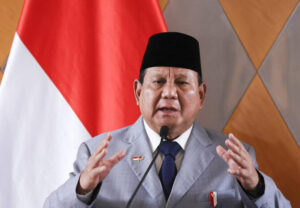
Anggia noted that the ministry, in coordination with relevant stakeholders, has implemented a series of precautionary measures aimed at ensuring the stability of national energy stocks. These efforts are aligned with directives from President Prabowo Subianto, who has called on officials to manage the country’s energy resources in an optimal and adaptive manner in response to global dynamics.
She further highlighted that authorities are strengthening monitoring mechanisms for energy supply and distribution nationwide, while also accelerating efforts toward energy diversification to reduce dependence on external sources.
Reassuring the public, Anggia emphasized that the measures being taken are preventive and that safeguarding the population’s economic stability and energy needs remains a top priority. She also urged both stakeholders and citizens to adopt more efficient and responsible energy consumption practices.
The reassurance comes as the Philippines declared a national energy emergency on March 24, becoming the first country to take such a step amid supply disruptions linked to the Middle East conflict. According to reports, President Ferdinand Marcos Jr. signed an executive order to stabilize energy supply and mitigate the economic impact of rising prices.
The Philippines relies on the Middle East for nearly 26 percent of its energy imports, with expenditures reaching approximately $16 billion in 2024.
Regional tensions have intensified since February 28, when the United States and Israel launched a joint offensive on Iran, resulting in significant casualties. Iran has since retaliated with drone and missile strikes targeting Israel and Gulf countries hosting US military assets, further disrupting global markets and aviation.
The situation has been exacerbated by Iran’s reported control over the Strait of Hormuz, a critical global oil transit route through which a substantial portion of energy supplies to Asia passes, heightening concerns over potential supply disruptions across the region.