Russian Ruble Weakens Sharply, Impacting Tajik Remittances and Regional Currency Stability
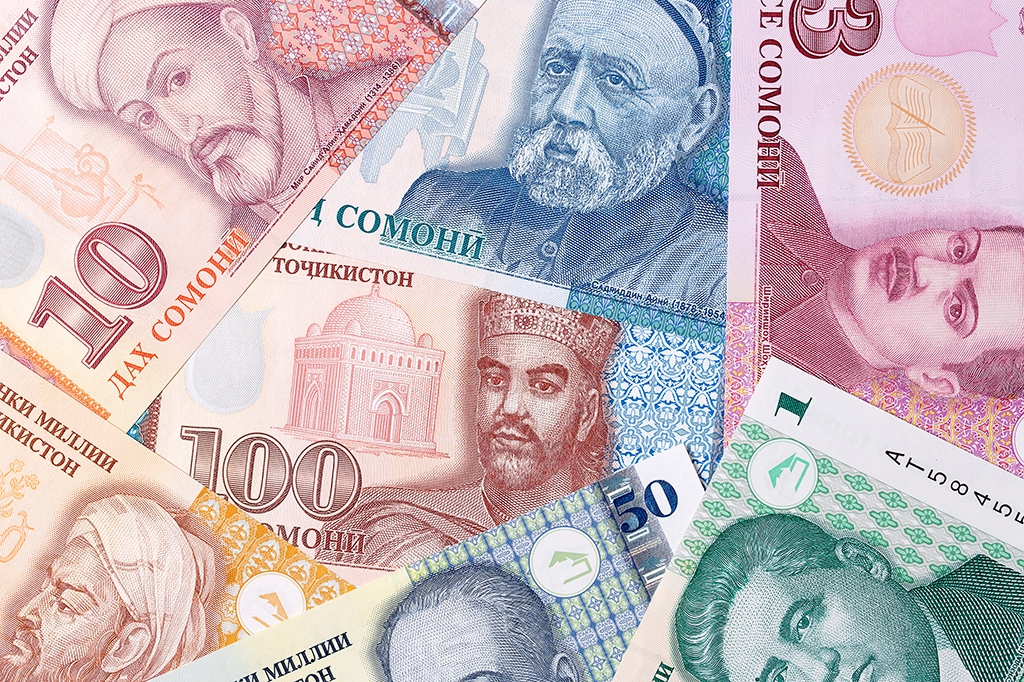
Dushanbe, The Gulf Observer: The Russian ruble has experienced a notable depreciation in recent weeks against both the Tajik national currency, the somoni, and major global reserve currencies, raising concerns over its broader economic impact—particularly on remittance-dependent households in Tajikistan.
According to the National Bank of Tajikistan (NBT), the official exchange rate declined by nearly 5 percent, falling from 121.5 somoni per 1,000 rubles on March 13 to 115.3 somoni on March 19. Since late February, the ruble has depreciated by approximately 6.4 percent against the somoni.
The downturn in the ruble’s value began following escalating geopolitical tensions after the U.S.-Israel conflict involving Iran on February 28. These developments have contributed to volatility in global currency markets and increased pressure on the Russian currency.
During the same period, the somoni strengthened by 1.2 percent against the euro, improving from 11.22 per euro on February 28 to 11.08 on March 19. Conversely, the U.S. dollar appreciated by 1.0 percent against the somoni, rising from 9.51 to 9.60.
The weakening ruble has had a direct negative impact on families of Tajik migrant workers in Russia, as over 90 percent of remittances are sent in rubles. Under NBT regulations introduced in 2016, such transfers are converted into somoni upon receipt. As a result, the depreciation of the ruble reduces the purchasing power of these remittances, leaving families with fewer resources to meet daily expenses.
Drivers Behind the Ruble’s Decline
Data from Russia’s central bank indicates that the ruble has depreciated by 7.8 percent against the U.S. dollar since early March, with the exchange rate shifting from 77.27 rubles per dollar on March 1 to 83.13 by March 19.
Economic analysts attribute the ruble’s decline to a combination of geopolitical tensions and structural economic challenges. Key contributing factors include:
- Increased demand for safe-haven currencies: Investors are shifting towards more stable currencies such as the U.S. dollar and euro amid rising uncertainty, weakening demand for the ruble.
- Reduced foreign currency supply: Lower export revenues and challenges in repatriating foreign earnings have limited the availability of foreign currencies in Russia.
- Anticipation of lower interest rates: Expectations of a reduction in Russia’s key interest rate have made ruble-denominated assets less attractive, encouraging capital outflows.
- Geopolitical and economic uncertainty: Ongoing conflicts, sanctions concerns, and fluctuations in global energy markets continue to exert pressure on the currency.
- Structural vulnerabilities: The ruble remains highly sensitive to external factors such as oil and gas prices, export performance, and international financial restrictions.
Analysts caution that the U.S. dollar may continue to strengthen in the coming months, driven by declining foreign currency inflows, easing monetary policy in Russia, and a gradual recovery in domestic imports, which increases demand for foreign exchange.
The continued depreciation of the ruble underscores the broader vulnerabilities of the Russian economy, highlighting the interplay between geopolitical developments and global financial dynamics, with tangible consequences for neighboring economies reliant on remittances.