Sri Lanka Steps Up Measures to Safeguard Rubber Exports Ahead of EU Deforestation Regulation
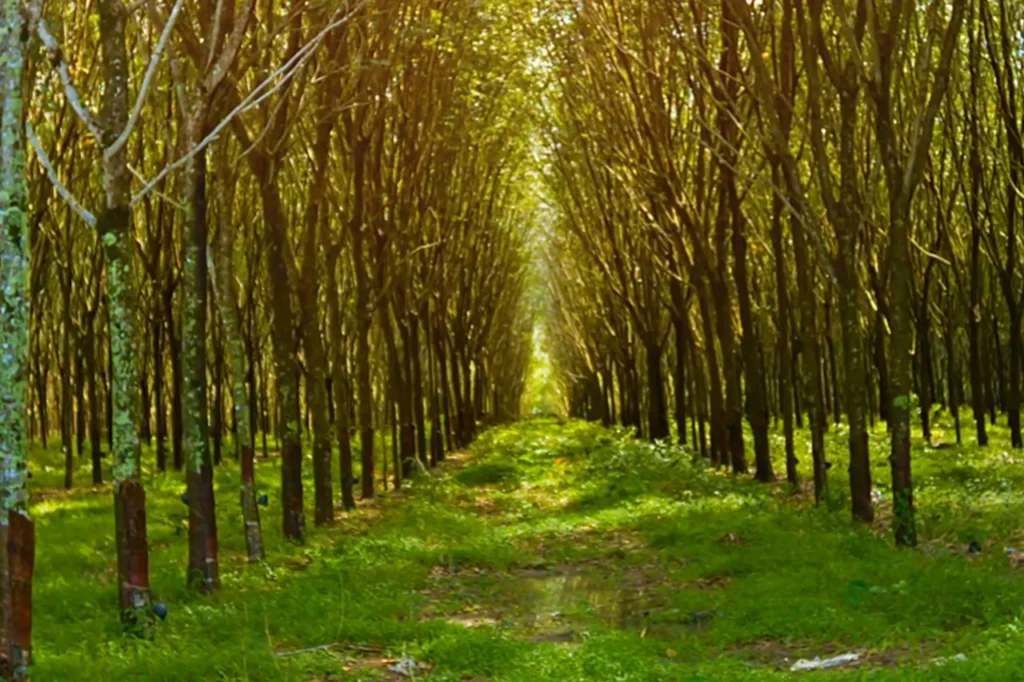
Colombo, The Gulf Observer: Sri Lanka is intensifying efforts to protect its rubber product exports to the European Union (EU) in anticipation of the EU Deforestation Regulation (EUDR), which is scheduled to take effect next year.
The EUDR is a new legislative framework aimed at ensuring that products imported into or exported from the EU do not contribute to global deforestation or forest degradation. As a major exporter of rubber and related products to the European market, Sri Lanka will be required to comply with the regulation to maintain access to the bloc.
According to the EU, the primary driver of deforestation is the expansion of agricultural land associated with the production of key commodities, including cattle, wood, cocoa, soy, palm oil, coffee, rubber, and a range of derived products such as leather, chocolate, tyres, and furniture.
Under the regulation, any operator or trader placing these commodities on the EU market, or exporting them from it, must demonstrate that the products do not originate from recently deforested land and have not contributed to forest degradation.
The EUDR was introduced by the European Commission in November 2021 and formally adopted in 2023, with the objective of effectively banning deforestation-linked products from the EU market. Although the regulation was initially scheduled to come into force at the end of 2024, its implementation was delayed by one year to allow companies additional time to prepare for compliance.
In September 2025, the Commission considered proposing a second one-year delay amid concerns about the capacity of existing IT systems to manage the anticipated volume of compliance data. However, in October, the Commission confirmed plans to enforce the regulation at the end of this year, introducing a six-month grace period for enforcement and granting small enterprises until the end of 2026 to begin full compliance.
Responding to questions on Sri Lanka’s readiness, Plantation Minister Samantha Vidyaratne said the country has commenced mapping of its plantations to verify that they are not linked to deforestation.
“We are conducting mapping now. There is no issue with old plantations. The new plantations are being mapped,” he said.
The government has emphasized that these measures are essential to ensure continued access to the EU market and to align Sri Lanka’s agricultural exports with international sustainability standards.