U.S. Senate Blocks Stopgap Funding Bill for 11th Time, Extending Government Shutdown
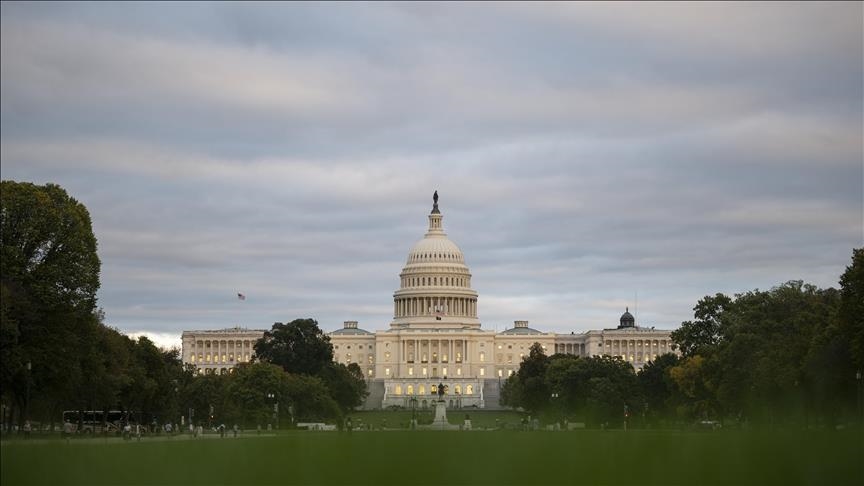
Washington, The Gulf Observer: The United States Senate on Monday once again failed to advance a stopgap funding measure that would reopen the federal government, marking the 11th consecutive blockage since the shutdown began earlier this month.
By a vote of 50–43, senators did not invoke cloture on a motion to proceed with the House-passed bill aimed at funding the government through November 21. The legislation fell short of the required 60-vote threshold, continuing a deadlock that has left federal operations partially closed since October 1.
Senator Rand Paul voted against the measure, while Sen. Catherine Cortez Masto (D-Nev.) and independent Sen. Angus King (I-Maine) joined Republicans in supporting it.
Speaking on the Senate floor earlier in the day, Senate Minority Leader Chuck Schumer sharply criticized both Republicans and the White House for what he described as a lack of willingness to negotiate amid a shutdown that has disrupted services and strained millions of American families.
“We enter another week of (President) Donald Trump’s government shutdown, and Republicans seem happy not to work, happy not to negotiate, happy to let health care premiums spike for over 20 million working and middle-class Americans,” Schumer said.
In response, Senate Majority Leader John Thune reiterated the Republican stance, maintaining that Democrats must first vote to reopen the government before discussions on broader spending and policy issues can proceed.
“We’ve been clear about our willingness to engage in discussions on Democrats’ health care concerns,” Thune said. “But none of that is going to happen until Democrats reopen the government. We’re not going to negotiate on anything until Democrats stop holding government funding hostage.”
The government shutdown, now entering its fourth week, began after negotiations broke down over spending priorities and health care provisions. Thousands of federal employees have been furloughed or are working without pay, while numerous government services remain curtailed or suspended across the country.
With no agreement in sight and repeated failures to reach the 60-vote threshold, the stalemate underscores the deep partisan divide on Capitol Hill — leaving the reopening of the federal government uncertain.