Sheikha Latifa Inaugurates 12th Dubai Design Week, Celebrating Innovation and Cultural Heritage

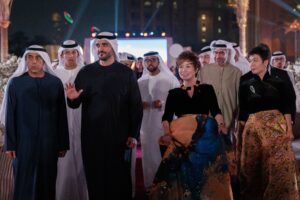
Dubai, The Gulf Observer: H.H. Sheikha Latifa bint Mohammed bin Rashid Al Maktoum, Chairperson of the Dubai Culture and Arts Authority (Dubai Culture), inaugurated the 12th edition of Dubai Design Week, the region’s leading design festival, at Dubai Design District (d3), where it is being held from November 3 to 8.
Organised in strategic partnership with Dubai Design District (d3), a member of TECOM Group, and supported by Dubai Culture, the event brings together designers, architects and creative professionals from more than 50 countries, providing an international platform for exchanging ideas, building partnerships and connecting regional talent with global audiences.
The 2026 edition features a multidisciplinary programme comprising more than 40 installations, exhibitions, commissioned projects and creative activities, alongside discussions, workshops and public experiences. The programme explores the relationship between design, cultural heritage and contemporary creative practices, while highlighting regional talent and providing emerging designers with opportunities to develop and showcase their work.
During the inauguration, Sheikha Latifa highlighted the significant role of Dubai Design Week in strengthening the emirate’s cultural and creative industries, nurturing emerging talent and bringing together local and international creative communities.
She emphasised that design serves as an important medium for preserving and advancing cultural identity, encouraging innovation and responding to evolving societal needs.
Sheikha Latifa said that Dubai Design Week had played a significant role over the years in strengthening Dubai’s design sector by bringing together creative talent, industry leaders and fresh perspectives while creating opportunities for innovative ideas and collaborations to flourish.
She noted that the festival’s impact was evident in the achievements of emerging designers, the partnerships it had facilitated and the creative ventures that had gained international exposure and opportunities for growth through successive editions.
She further reaffirmed Dubai’s commitment to supporting the expanding creative economy, empowering the next generation of designers and encouraging innovative ideas and practical solutions that enhance quality of life, generate economic value and contribute to the city’s future development.
The festival’s programme covers various creative disciplines, including architecture, interior design, furniture, product design and contemporary crafts. One of its major attractions is Downtown Design, recognised as the Middle East’s leading fair for high-quality contemporary design, featuring more than 300 brands and designers from over 35 countries.
The fair showcases new collections from international design houses, regional creative presentations and special exhibitions. Its accompanying discussion programme, The Forum, brings together more than 30 international and regional professionals to explore craftsmanship, material innovation and the future direction of the design industry.
The UAE Designer Exhibition, supported by Dubai Culture, features works by 30 UAE-based creative professionals under the theme ‘Inherited Futures’. Curated by Emirati architect and designer AlZaina Lootah, the exhibition examines how emerging designers are reinterpreting traditional materials, cultural practices and craftsmanship that have shaped the UAE’s creative identity, while connecting inherited knowledge with contemporary design approaches.
Meanwhile, Abwab, Dubai Design Week’s established commissioning initiative supporting creative practitioners from Asia and Africa, introduces a new exhibition format under the theme ‘In Other Words’. The programme features five newly commissioned works examining how language, memory and cultural knowledge can be communicated through design.
The annual Urban Commissions competition, dedicated to innovative public-space design, presents this year’s winning project, ‘Three Gardens and a Room’, developed by NAO, a Dubai-based architecture practice founded by Reem Nassour.
The installation combines greenery, shaded areas, filtered light and diverse materials to create three interconnected gardens surrounding a shared space, offering visitors an environment to gather, relax and interact.
More than 20 installations by UAE-based, regional and international creative practices are also being showcased across Dubai Design District, exploring themes of architecture, sustainability and public spaces.
The festival further features an extensive programme of exhibitions, discussions and more than 50 interactive workshops, including activities at the Maker Space, made by MillerKnoll, encouraging visitors of different age groups to explore design through practical creative experiences.
Al Jalila Cultural Centre for Children is also presenting its ‘Clay Vocabulary Exhibition’, which combines workshops, a pottery marketplace and an exhibition of works produced through the Young Emirati Potters Programme. The initiative celebrates local ceramic artists while providing young creatives with opportunities to develop their skills, experiment with materials and showcase their work.
The Dubai Design Week Marketplace, scheduled for November 7 and 8, will bring together more than 80 independent makers, artisans and creative businesses from the UAE and the wider region. Featuring handmade ceramics, jewellery, fashion, homeware and lifestyle products, the marketplace aims to connect creative entrepreneurs with visitors while highlighting the craftsmanship and production processes behind their work.
Through its diverse exhibitions, commissioned projects, industry discussions and public activities, Dubai Design Week continues to strengthen the emirate’s position as a regional and international centre for design and creativity, while providing opportunities for designers to expand their professional networks, establish international partnerships and reach wider audiences.
The festival also contributes to Dubai’s cultural development and the growth of its creative economy by fostering innovation, promoting cultural exchange and supporting the next generation of creative professionals.