Mauritius Trains Media Professionals in Gender-Sensitive Journalism and Reporting
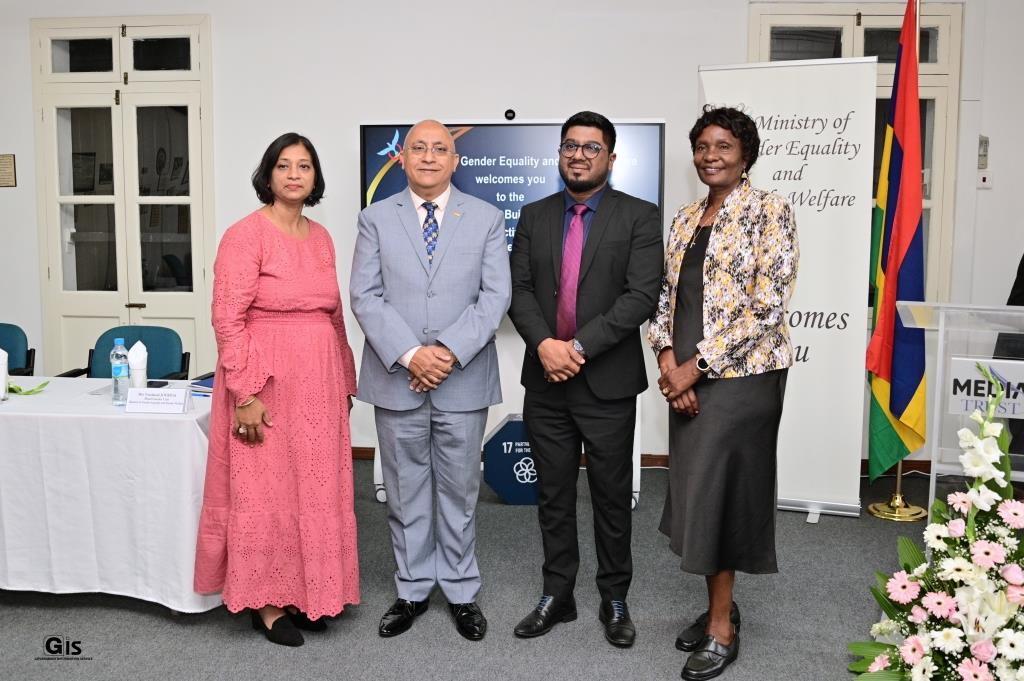
Port Louis, The Gulf Observer: The Ministry of Gender Equality and Family Welfare, in collaboration with the Media Trust, organised a one-day capacity-building programme on gender-sensitive journalism for media professionals in Port Louis. The programme was titled “Integrating gender perspectives: guidelines for effective policy implementation”.
The course was conducted by Ms Winfred Lichuma, a gender expert from the European Union.
The initiative aimed to equip media professionals with the knowledge, tools and skills to better understand gender-related issues and integrate them into their professional work. It also gave participants an opportunity to reflect on the use of gender-sensitive language, the identification of unconscious biases, the elimination of stereotypes and the balanced representation of women and men.
Media’s Role in Promoting Gender Equality
At the opening ceremony, the Permanent Secretary of the Ministry, Mr Jean Daniel Philippe Labonne, said that promoting gender equality requires more than public policies and legislation. It also calls for a shift in mindsets, behaviours and communication practices, as well as in society’s perceptions of the roles and contributions of individuals.
Mr Labonne underlined that the media are not merely channels for disseminating information. They also play a significant role in shaping public opinion, influencing attitudes and establishing the values that underpin society. He said the media have the capacity to challenge stereotypes, promote equality and foster a better understanding of social realities. He cautioned, however, that certain journalistic practices could, sometimes unintentionally, perpetuate prejudices and reinforce discrimination.
Gender-Sensitive Journalism Strengthens Quality Reporting
The Permanent Secretary explained that gender-sensitive journalism does not mean compromising the fundamental principles of the profession. Rather, it enhances the quality of reporting through the balanced representation of diverse experiences, language that respects human dignity and the avoidance of portrayals that could perpetuate discrimination.
He said this responsibility is particularly important when reporting on sensitive issues such as domestic violence, sexual assault, exploitation and other forms of gender-based violence. Coverage of such cases, he stressed, should avoid sensationalism, stigmatisation and victim-blaming.
“Victims and survivors must be treated with dignity and respect; their privacy, identity and safety must be protected,” he said. He added that responsible journalism can help break the silence surrounding such violence, raise public awareness and encourage those affected to seek assistance and protection.
Training Respects Editorial Independence
Mr Labonne made clear that the training was not intended to dictate what journalists should publish or to undermine their editorial independence.
“Instead, the purpose is to strengthen the capacities of media professionals, deepen their understanding of gender-related issues and encourage journalist practices that are increasingly accurate, fair, impartial, responsible and inclusive,” he affirmed.