Indonesia Targets 12.5% Logistics Costs of GDP by 2029, 8% by 2045
Jakarta, The Gulf Observer: The Indonesian government has set a target of reducing national logistics costs to 12.5 percent of gross domestic product (GDP) by 2029, down from 14.29 percent in 2022, as part of efforts to enhance economic competitiveness and improve the efficiency of the country’s supply chain.
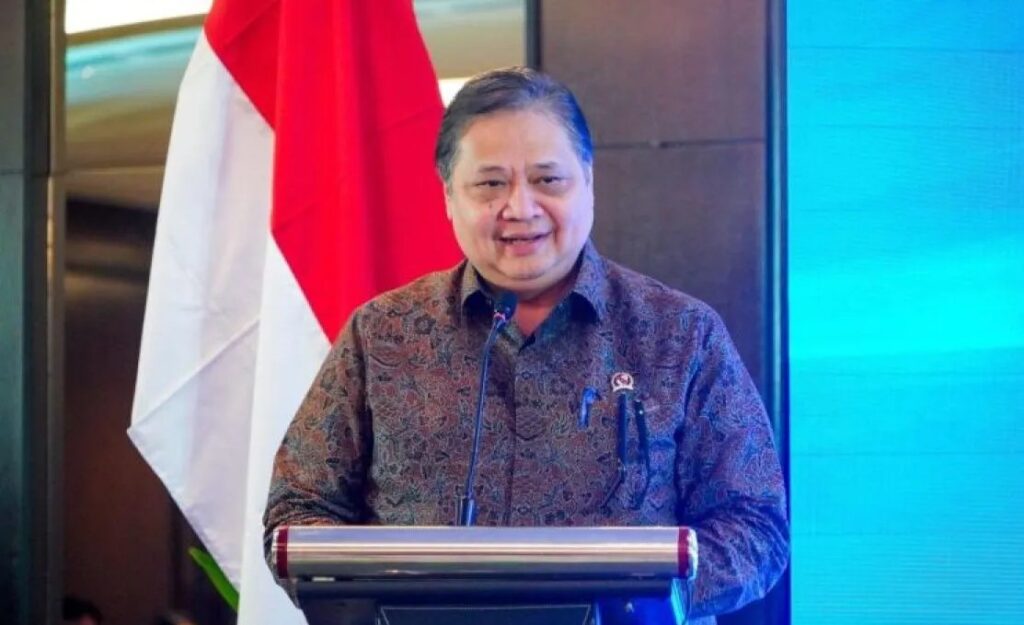
Coordinating Minister for Economic Affairs Airlangga Hartarto said President Prabowo Subianto had tasked him with coordinating national efforts to reduce logistics costs and strengthen Indonesia’s economic competitiveness.
In a statement received on Thursday, Hartarto said the mandate was outlined in Presidential Regulation No. 41 of 2026 on Strengthening National Logistics, enacted on July 16, 2026. The government has also set a long-term target of lowering logistics costs to 8 percent of GDP by 2045, when Indonesia will celebrate the centenary of its independence.
The regulation identifies several key strategies to achieve these objectives, including strengthening connectivity infrastructure, improving core logistics services and developing supporting facilities. It also prioritises enhancing the capacity and competitiveness of logistics service providers and human resources.
Hartarto highlighted the expansion of the National Logistics Ecosystem (NLE) platform as a key component of the government’s digital transformation initiatives. According to the minister, the platform has helped reduce logistics costs by up to 17 percent and shorten service times by as much as 73 percent. The government plans to further expand the initiative to improve efficiency and streamline logistics operations.
The government is also planning to develop an integrated intermodal transportation system, including dry ports, to facilitate the movement of goods and improve distribution networks. One of the proposed locations is the Batang Integrated Industrial Estate (KITB).
The initiative aims to reduce truck traffic on major roads, enhance distribution efficiency and bring customs services closer to industrial areas, thereby reducing transportation delays and improving supply chain performance.
On financing, Hartarto encouraged freight transport operators to benefit from the Labor-Intensive Industrial Credit (KIPK) programme to modernise and renew their vehicle fleets. The initiative is expected to improve operational productivity and the quality of logistics services.
The minister also underscored the importance of human resource development in building a competitive logistics sector. He reaffirmed the government’s commitment to supporting vocational training, competency certification and other programmes designed to equip logistics workers and service providers with the skills needed to adopt digital technologies.
Hartarto expressed confidence that cooperation among government institutions, businesses and other stakeholders would help Indonesia achieve its long-term objective of reducing logistics costs to 8 percent of GDP by 2045.
“With a more efficient and integrated logistics system, our export products will become more competitive, while goods in the domestic market will become more affordable,” he said.
The government expects lower logistics costs and improved transportation connectivity to strengthen Indonesia’s export competitiveness, facilitate domestic trade and make goods more affordable for consumers.