Smart Cities and Digital Infrastructure in China
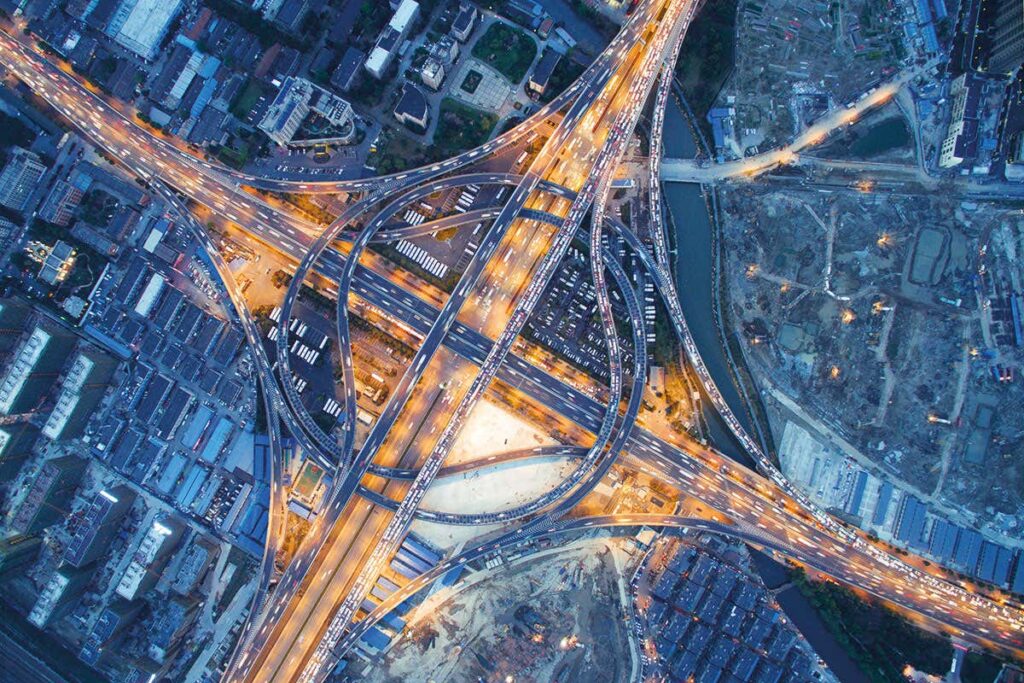

In the past two decades, China has made remarkable achievement in urbanization process. However, the rapid growth of urbanization brings great challenges to the urban governance. To address the challenges brought about by massive population growth, smart cities have been proposed and continuously developed in practice. China has emerged as a global leader in the development of smart cities and digital infrastructure. Combining advanced technology with urban planning, China is transforming its cities into hubs of efficiency, connectivity, and innovation. This development not only improves the quality of life for residents but also strengthens China’s position as a pioneer in modern urban management.
The Rise of Smart Cities in China
A smart city is defined as one that makes intensive use of information and communication technology (ICT) to address diverse urban challenges, including environmental problems, crime, pandemics, and the exclusion of underprivileged social groups from decision-making. In simple words, smart cities are urban areas that use digital technologies to manage resources efficiently, enhance services, and improve the overall living experience. China recognized the potential of smart cities early and began investing heavily in digital infrastructure, big data, and artificial intelligence (AI) to create smarter, more sustainable urban environments. Recognizing the critical role of smart cities in national development, the Chinese government launched the Smart City Pilot Program in 2012 through the Ministry of Housing and Urban-Rural Development (MoHURD). The program aims to promote the integration of smart technologies in urban planning and management.
Cities like Shanghai, Shenzhen, Beijing, and Hangzhou have become shining examples of China’s smart city initiatives. These cities integrate technologies like traffic management systems, intelligent public transport, energy-efficient buildings, and real-time monitoring of public services. By leveraging data and connectivity, these cities can address challenges such as traffic congestion, pollution, and energy consumption more effectively.
Advancements in Digital Infrastructure
China’s rapid progress in digital infrastructure forms the backbone of its smart city vision. The country has made remarkable achievements in areas such as 5G Networks, Internet of Things (IoT), Artificial Intelligence (AI), Digital Payment Systems, and so on.
Today, China leads the world in 5G deployment. It provides ultra-fast internet speeds that enable real-time communication, autonomous vehicles, and advanced industrial applications. Similarly, sensors and connected devices monitor all sorts of city operations, from water management to traffic control, creating efficient and responsive urban systems.
In addition to this, China is also using AI for predictive analysis, crime prevention and investigations, healthcare, and smart traffic management that helps cities function more efficiently. If we talk about the Digital Payment Systems the mobile payment platforms like Alipay and WeChat Pay have revolutionized daily transactions, making cities more cashless and convenient.
These innovations prove that how China combines technology with governance to make cities safer, cleaner, and more efficient.
Benefits for Residents and Businesses
Now the question is how are these smart cities and digital infrastructure benefiting the businesses and the people of China. Smart cities in China offer numerous benefits for both residents and businesses. These include improved public services, sustainable development, economic opportunities, improved quality of life and better living standards, and so on.
It can be observed that all the public services whether we talk about healthcare, transportation, education, utilities, or any other services, they are all better managed through real-time monitoring and predictive analytics. Thanks to these smart cities and digital infrastructure for providing people with improved facilities. In China, high satisfaction rate is recorded in public services which are made efficient through these technologies. Similarly, smart energy grids and pollution monitoring help cities reduce environmental impact. Through these technologies, China is trying to reduce carbon emissions and promote clean green energy.
In addition, smart city technologies, such as traffic monitoring and incident detection have improved public safety in China and response times for emergencies like traffic accidents is also greatly reduced.
Digital infrastructure like AI, IoT, better connectivity, attracts tech companies, startups, and foreign investment, thereby creating jobs and promoting innovation. They are also stimulating economic growth by supporting small to medium sized enterprises (SMEs). Today China is characterized by advanced industries and high quality products development, it is also because and data and technology.
Quality of life is enhanced in China. Citizens enjoy shorter commute times, safer streets, and improved access to services through technology. Integrated platforms allow citizens to perform a wide range of administrative tasks, such as booking medical appointments or transferring property, with a single digital ID. This is how the living standards of people in China have also improved.
It can be seen that by integrating technology into daily life, China is creating urban environments that are not only efficient but also more livable.
Leading Examples of Smart City Initiatives
Some of the Chinese cities that are the true success stories of China’s smart city development initiative are Shanghai, Shenzhen, Hangzhou, and Beijing.
Shanghai uses AI for traffic management and public safety while promoting green buildings and renewable energy projects. Shenzhen is a technology hub that integrates IoT and AI to optimize urban services and supports autonomous vehicle testing. Hangzhou is famous worldwide for its “CityBrain” project, which uses big data and AI to manage traffic flow, reducing congestion by over 15%. Then comes Beijing,the capital city of China that combines digital infrastructure with environmental monitoring to improve air quality and urban planning.
China’s Global Leadership
What should be kept in mind is that the China’s smart city initiatives are not only transforming its own urban landscapes but they are setting examples for the world also. Countries across Asia, Africa, and Latin America look to China for guidance in digital infrastructure development. BRI is not meant for trade only but China is also using the Belt and Road Initiative to export smart city technology and expertise. This way, China is helping other nations to build connected and modern cities.
By combining policy, investment, and technology, China demonstrates that smart cities are a key pillar of its development strategy. This approach ensures that urban growth is sustainable, efficient, and inclusive, benefiting citizens and boosting economic competitiveness.
Overall, it may be said that China’s commitment to smart cities and digital infrastructure is reshaping urban life for millions of people. With the integration of technology, data, and innovation, China is building cities that are safe, clean, green, and more efficient. These efforts have not only enhanced the quality of life for residents but they have also strengthened China’s position as a global leader in urban innovation. From AI-powered traffic systems to cutting-edge digital payment networks, China’s smart cities are a testament to the country’s vision of a connected, sustainable, and prosperous future. With continued investment and innovation, China is setting a standard for urban development that the world can learn from.