Roses Still in Bloom in Dushanbe as Specialists Share Late-Autumn Care Tips
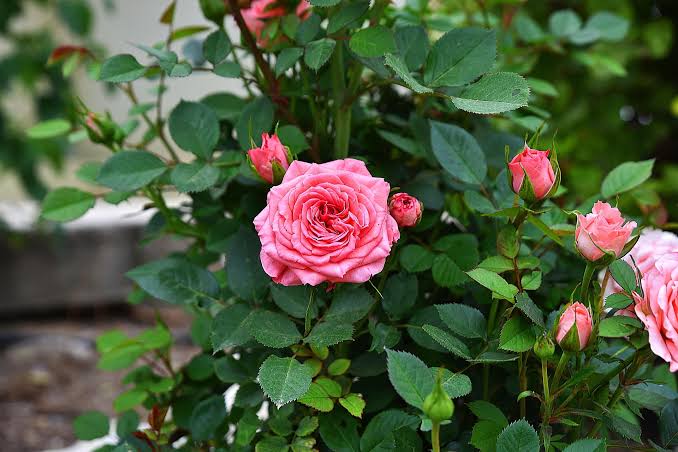
Dushanbe, The Gulf Observer: Although the second month of autumn is drawing to a close, colourful roses continue to adorn the streets, avenues, parks and gardens of Tajikistan’s capital, Dushanbe. As late autumn is the right season for taking rose cuttings and pruning, horticultural specialists have offered a series of recommendations for gardeners.
Specialists note that roses require relatively little water and feeding, and can bloom for an extended period. If the roots are kept supplied with moisture and nutrients, a rose bush can flower from early spring until late autumn. They have therefore encouraged residents, as well as the relevant enterprises and institutions, to give greater attention to growing roses.
“Before the cold sets in, cover the base of the rose bush with soft soil, rotted manure or straw to a height of 20 to 30 centimetres, so that the roots and the lower parts of the shoots are protected from frost. Cut away dry shoots and remove wilted flowers, so that the plant does not spend its energy on producing seeds,” the specialists advise.
During autumn, roses do not need heavy feeding or watering. Florists recommend fertilisers containing potassium and phosphorus, which strengthen the roots and make the plant more resistant to winter cold.
On pruning, specialists advise that shoots of roses grown from cuttings should not be cut back too short, while roses grown from their own roots may be pruned as desired. Pruning is considered essential, as fewer shoots produce better flowers and a more attractive shape in the following season.
Preparations for propagating roses from cuttings should begin in autumn. Cuttings are often raised in greenhouses before being transplanted into open ground, and a well-chosen site is essential, as roses thrive in sunny, open and well-ventilated conditions. Cuttings can be grown under polyethylene film in beds one to two metres wide, matched to the width of the film. They are usually taken from a mature, flowering rose and soaked for 24 hours in a potassium permanganate solution before planting.
Specialists also warn that small white insects frequently attack indoor roses, particularly on the undersides of leaves. To eliminate them, gardeners can dissolve finely grated black soap in water in a glass container and wash the affected leaves with the mixture, repeating the treatment for one week until the pests disappear. When the soil in a pot runs low, it should be topped up with soil and manure, which promote healthy growth and strengthen the roots.
The period from late January to late February is considered the most suitable time to plant roses from root stock. When buying a rose, gardeners are advised to ask whether it has been grafted onto rosehip, as such plants develop deeper roots that draw moisture from groundwater, adapt better to changing weather and bloom more consistently.
Roses come in a wide range of colours, including red, white, yellow, pink, orange and purple, and are generally divided into three groups. The first comprises evergreen roses, which bloom quickly, reach a height of two to three metres and have a long flowering period. The second consists of deciduous shrub roses, which produce abundant flowers over 20 to 40 days, mostly in spring. The third group includes climbing roses, whose long shoots can grow 10 to 20 metres and which flower profusely in spring and summer.
The rose is regarded as one of the most beautiful, famous and beloved flowers in the world. Beyond its unique beauty and fragrance, it holds a special place in Tajik culture and literature as a symbol of deep significance.