Morocco Approves 22 International Agreements to Strengthen Economic, Judicial and Strategic Cooperation
Rabat, The Gulf Observer: Morocco has approved 22 bills endorsing a series of international agreements with partner countries, reinforcing cooperation across strategic sectors including customs, taxation, transport, logistics, maritime affairs, justice, and defense.
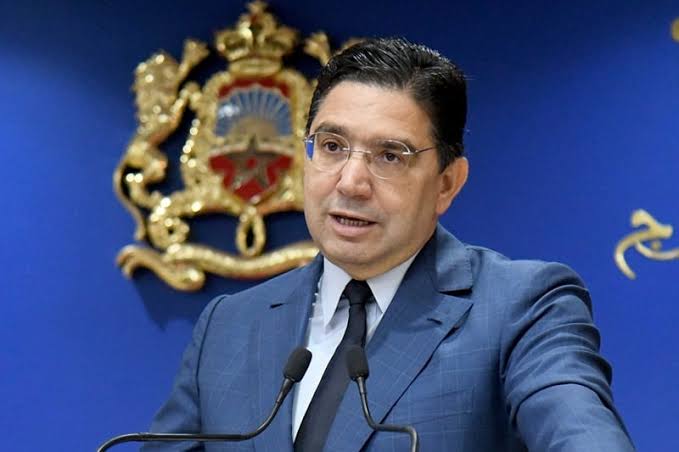
The agreements, comprising 17 bilateral and five multilateral accords, were presented by Morocco’s Minister of Foreign Affairs, Nasser Bourita, during a session of the House of Representatives held on Monday.
Addressing lawmakers, Bourita said the agreements reflect Morocco’s commitment to strengthening international cooperation and expanding partnerships across a wide range of sectors. He noted that the accords cover areas related to technology, innovation, technical cooperation, transport, logistics, and industrial development.
The foreign minister highlighted that several agreements concluded with countries including Azerbaijan, Pakistan, Burkina Faso, and Cameroon carry significant economic potential, particularly in the fields of passenger and freight transport, logistics services, and broader economic cooperation.
On the economic front, seven agreements were approved, including customs cooperation with Guinea-Bissau, taxation agreements with Chad and Burundi, as well as transport-related accords covering road transport, air services with Côte d’Ivoire, mutual recognition of driving licences with Chad, and logistics cooperation with Azerbaijan.
In the judicial sphere, seven agreements focus on legal assistance in criminal matters, extradition procedures, and the transfer of sentenced persons, notably involving Malawi, Saudi Arabia, and Austria.
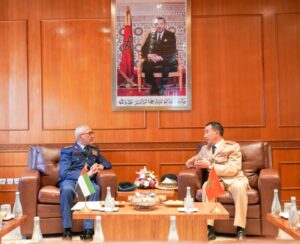
The parliament also approved three military cooperation agreements with Burkina Faso, Cameroon, and Azerbaijan, reflecting ongoing efforts to enhance defence and security collaboration.
The five multilateral agreements include arrangements for establishing regional and African institutional headquarters in Rabat, as well as measures aimed at aligning Morocco’s maritime transport legislation with international conventions governing passenger carriage and seafarer documentation.
Bourita emphasized that the agreements represent a pragmatic and results-oriented approach to diplomacy, stressing that Morocco seeks tangible outcomes rather than symbolic commitments. He said each agreement is evaluated on the basis of its practical diplomatic, economic, security, and consular benefits, with a focus on effective implementation and measurable results.
According to figures presented during the parliamentary session, nearly two-thirds of the agreements involve African countries, underscoring Morocco’s growing engagement across the continent. The minister also noted that a significant number of agreements were signed in the cities of Dakhla and Laayoune, highlighting the geographical diversification of the Kingdom’s diplomatic outreach.
The approvals reflect Morocco’s broader strategy of strengthening international partnerships while advancing economic development, regional integration, and institutional cooperation through targeted and impactful agreements.