Oman Rises to Third Globally in Quality of Life Index for First Half of 2026
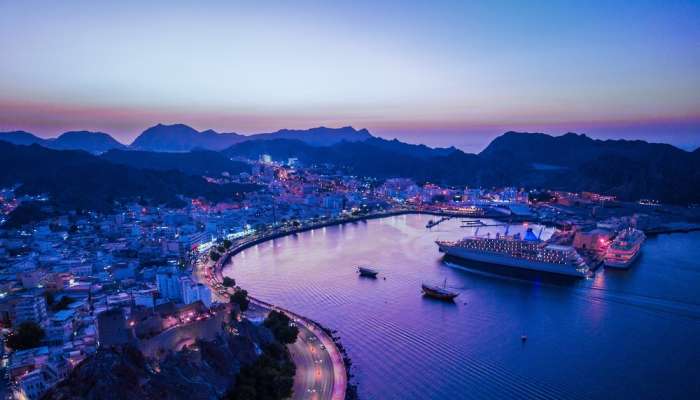
Muscat, The Gulf Observer: The Sultanate of Oman has advanced to third place globally in the Quality of Life Index for the first half of 2026, according to the Numbeo Index, while retaining its leading positions at both the Asian and Arab levels.
The latest ranking marks further progress for Oman, which placed fourth globally during the corresponding period in 2025, underscoring continued improvements in living standards and strengthening the country’s appeal as a destination for residence, investment and long-term stability.
Oman’s strong performance reflects an integrated development approach combining security and stability, high-quality public services, sustainable urban planning and the creation of a balanced living environment that places people at the center of the development process.
Unlike several international indicators that primarily focus on economic performance and gross domestic product, the Quality of Life Index assesses conditions that directly affect residents’ daily lives. Its evaluation considers factors including safety, purchasing power, healthcare, cost of living, the property price-to-income ratio, commuting times, pollution levels and climate conditions.
Oman recorded particularly strong results in several key areas, including high levels of safety, purchasing power, a relatively low property price-to-income ratio, comparatively low pollution and short average commuting times. These factors contributed significantly to the Sultanate’s rise to third place globally in the latest classification.
The achievement also reflects Oman’s continued efforts to develop its cities and urban centers through comprehensive structural planning and the creation of future-oriented urban communities designed to provide more efficient, sustainable and high-quality living environments.
These efforts include the development of integrated service communities, improved mobility networks, expanded green and open spaces, enhanced urban environments and more efficient infrastructure. Together, these initiatives are intended to improve residents’ daily experiences while supporting sustainable urban growth.
The Greater Muscat Project represents a major component of this urban development strategy. The project seeks to reshape the capital’s urban landscape through an integrated planning vision focused on creating a more connected, vibrant and sustainable city. It also aims to improve transportation and mobility networks, bring essential services and facilities closer to residential communities and enhance the overall urban environment in accordance with international best practices in modern city planning.
Meanwhile, construction and development work continues on Sultan Haitham City, alongside a number of other major future urban projects, including A’Thuraya City, Future Salalah City, Al Jabal Al Aali (High Mountain) Project and Al Khuwair Downtown.
These projects form part of a broader national urban development vision aimed at creating sustainable, resilient and attractive cities characterized by integrated services, efficient transportation, expanded green spaces, improved infrastructure and balanced residential and working environments.
The continued implementation of these initiatives is expected to further strengthen Oman’s urban competitiveness and contribute to the country’s efforts to establish more vibrant and livable communities, while reinforcing its position as an attractive global destination for living and investment.
The Quality of Life Index is issued by Numbeo, a global platform established in 2009 that provides comparative data on the cost of living and quality of life across countries and cities worldwide. The index draws on updated information, user contributions and statistical methodologies to assess a range of indicators, including safety, healthcare, pollution, traffic, purchasing power, property prices and cost of living.
Oman’s latest ranking highlights the country’s growing performance across these dimensions and provides further recognition of its efforts to enhance the quality of life and develop sustainable, people-centered urban environments.