Vietnam Promotes Community Tourism for Sustainable Development
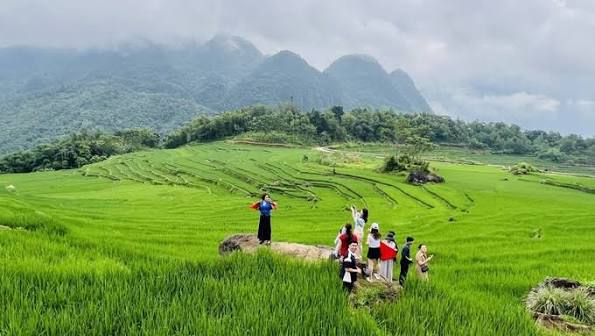
HCM City, The Gulf Observer: Vietnam is seeking to further harness the potential of community-based and agricultural tourism as a means of promoting sustainable development, preserving local cultural heritage and creating sustainable livelihoods for communities.
Experts and local officials highlighted the opportunities during the 20th International Travel Expo Ho Chi Minh City (ITE HCMC 2026), held from August 27 to 29, stressing that Vietnam has considerable potential to develop tourism models that deliver long-term benefits to both visitors and local residents.
The tourism market is increasingly shifting from conventional sightseeing towards more authentic experiences that allow visitors to engage with local communities, cultures and natural environments. Demand is also growing for small-group, personalised and environmentally responsible travel experiences.
Experts noted that community-based tourism can transform local residents from passive beneficiaries into active stakeholders in destination development. Such models can integrate agriculture, handicrafts, cuisine, nature and accommodation while helping preserve cultural traditions as part of everyday community life.
According to a Booking.com survey cited at the event, 85 per cent of travellers prioritise sustainability, while 30 per cent prefer green destinations, reflecting growing consumer awareness of the environmental and social impacts of tourism.
Tuyen Quang Province currently has 54 potential community cultural tourism villages, 28 of which meet standards for serving tourists. Ten villages and community tourism models have also been recognised as three- to four-star OCOP products.
Several destinations have already established distinctive tourism brands. Lô Lô Chải was recognised by UN Tourism as one of the Best Tourism Villages in 2025, while Nặm Đăm has received ASEAN tourism awards on several occasions. The Pả Vi Mông ethnic community cultural tourism village was also honoured at the Vietnam Tourism Awards 2025.
Officials stressed that community tourism should not follow a uniform model. Instead, each locality should identify its distinctive cultural and natural assets and develop memorable experiences that encourage visitors to return and recommend the destinations.
Agricultural tourism is also emerging as an important component of Vietnam’s sustainable tourism strategy. Officials said linking agriculture with tourism and promoting cultural values can increase the value of agricultural products, generate employment and support environmentally friendly tourism.
In the first eight months of 2026, Dong Thap Province received approximately 3.6 million tourists, including around 1.25 million visitors to agricultural and craft-village tourism destinations. Tourism revenue during the period reached about VND1.9 trillion (US$72.8 million).
Experts further emphasised that sustainable tourism development should focus not simply on creating new destinations, but on transforming existing cultural, agricultural and natural assets into high-quality tourism products, connecting them with markets and incorporating them into wider tourism routes and tour packages.
The Swiss Tourism for Sustainable Development in Vietnam (ST4SD) project is supporting destinations in upgrading their community tourism models in line with the Best Tourism Villages by UN Tourism standards. The initiative draws on Switzerland’s Swisstainable tourism model and encourages destinations to progress through stages including commitment, implementation and readiness for international recognition.
As of 2026, more than 1,000 applications had been submitted to the Best Tourism Villages programme, with 319 villages recognised and 83 villages from 65 countries participating in its upgrading programme.