Germany Backs EU-Morocco Trade Framework Covering Western Sahara Products
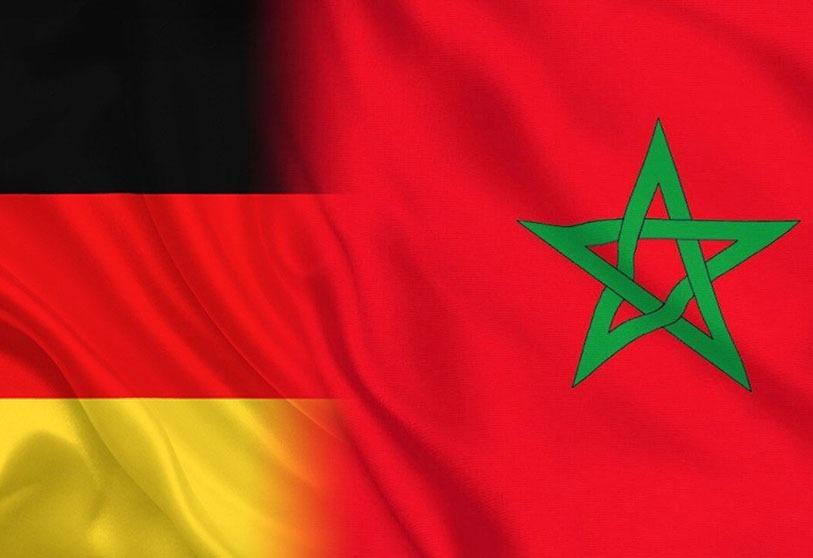
Berlin, The Gulf Observer: Germany has expressed support for the new European Union-Morocco trade framework covering products originating from Western Sahara, stating that it has raised no reservations regarding the arrangement.
According to media reports, the German government disclosed its position in a formal response to a parliamentary question submitted by lawmakers from the Die Linke faction. The response, published on August 24 under reference Drucksache 21/7703 and transmitted by the German Foreign Office, confirmed that Berlin had not lodged any objections to the new arrangement.
The German government also said the new framework is compatible with the October 2024 ruling of the Court of Justice of the European Union (CJEU). The European Commission has determined that the arrangement meets the conditions established by the court, including requirements concerning the benefits derived from the agreement.
The framework was concluded through an exchange of letters amending Protocols No. 1 and No. 4 of the EU-Morocco Euro-Mediterranean Association Agreement. It provides for continued preferential tariff treatment for products originating from the Western Sahara regions of Laâyoune-Sakia El Hamra and Dakhla-Oued Eddahab, while introducing mechanisms for regular monitoring and origin labelling.
The European Council authorized the European Commission in September 2025 to open negotiations on amendments to the relevant protocols. The new arrangement was signed on October 3, 2025, and has been provisionally applied since then.
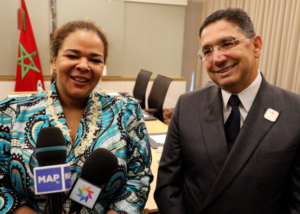
Germany’s position comes amid strengthening bilateral relations with Morocco. During the second session of the Morocco-Germany strategic dialogue in Rabat on April 30, German Foreign Minister Johann Wadephul and Moroccan Foreign Minister Nasser Bourita adopted a joint declaration reaffirming the importance of Morocco’s autonomy initiative under Moroccan sovereignty.
The development further highlights the evolving European approach to economic relations with Morocco and the legal and political framework governing trade involving Western Sahara.