Indonesia Pushes Quality Investment Through Downstream Industries and Faster Licensing
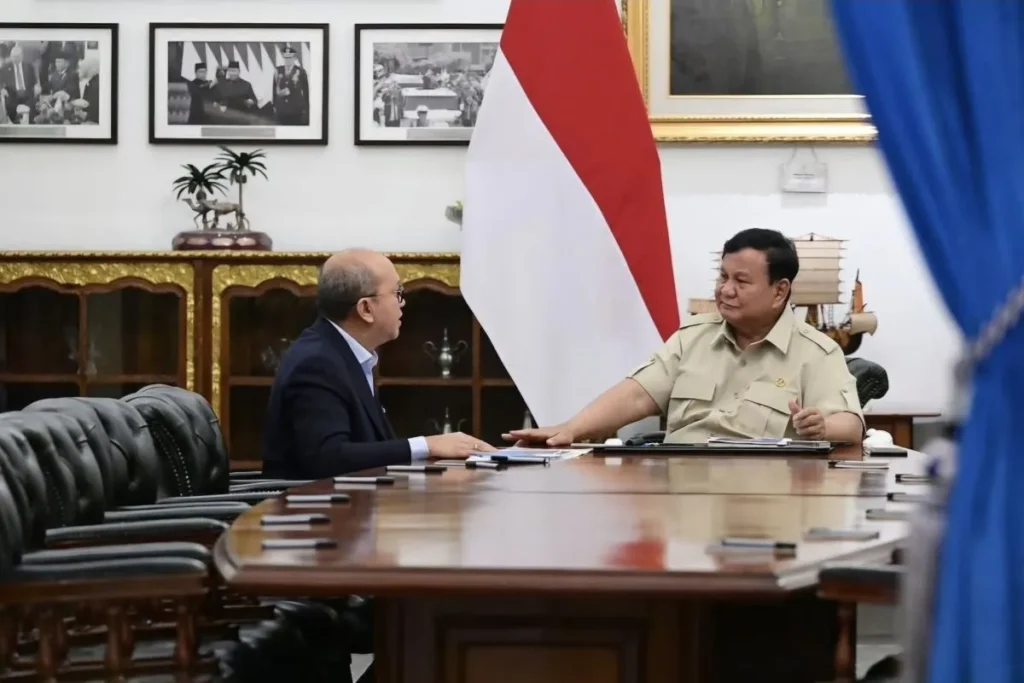
Jakarta, The Gulf Observer: The Indonesian government is stepping up efforts to attract quality investment by strengthening downstream industries and accelerating integrated licensing services to generate tangible benefits for economic growth and employment.
Minister of Investment and Downstreaming Rosan Roeslani said the government was committed to ensuring that investment delivers greater economic value and creates more job opportunities for Indonesians.
“We continue to encourage this investment to grow into a quality investment, of course, and also to have a positive impact on every job creation,” Roeslani said in a statement received on Tuesday.
The initiative follows directives issued by President Prabowo Subianto during a limited meeting with several ministers of the Red and White Cabinet, reflecting the government’s focus on improving investment quality and strengthening domestic industrial capacity.
Roeslani said the government’s efforts were producing encouraging results, with the contribution of downstream industries to total investment rising significantly in the third quarter of 2026.
He noted that the downstream sector accounted for approximately 26 per cent of investment in 2024, compared with 35 per cent in the third quarter of this year.
The government is also seeking to strengthen Indonesia’s position in global supply chains by promoting strategic industries, particularly nickel processing and electric vehicle battery manufacturing. These efforts aim to balance production capacity with technological advancement and greater domestic value addition.
Roeslani said investment-related administrative reforms were also being accelerated through an integrated licensing system involving 28 ministries and relevant government agencies.
Under the revised mechanism, the Ministry of Investment can issue permits when the relevant technical agencies fail to complete the licensing process within the prescribed timeframe, helping address bureaucratic delays.
According to Roeslani, the ministry has issued approximately 328 investment permits through this mechanism to date, facilitating business activities and reducing administrative obstacles.
The government is further working to streamline procedures for foreign workers, with the aim of reducing the processing time for limited stay permits, known as KITAS, from several months to just five working days.
Emphasising the importance of a predictable business environment, Roeslani said investors prioritised certainty and sought to avoid unexpected delays and regulatory complications.
He added that the government’s reforms were intended to reduce uncertainty, improve licensing efficiency and create a more reliable environment for investors.
Through these measures, Indonesia aims to attract higher-quality investment, strengthen industrial development, expand employment opportunities and enhance its competitiveness in global supply chains.