154 Arrested as NCCIA Busts Shocking Call Centre Scam in Islamabad and Rawalpindi: Fake Police, Loan Apps and Doctored Explicit Photos Used to Blackmail Victims
Islamabad, The Gulf Observer: The National Cyber Crime Investigation Agency (NCCIA) has exposed two illegal call centres in the twin cities and arrested 154 people. The operations used fake police setups, predatory loan apps and doctored explicit images to terrorise and extort victims across South Asia. The agency has also warned parents that their own children could be working inside these scams without realising the risk.
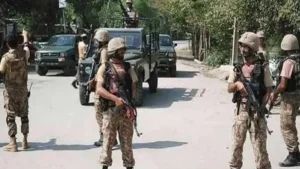
Speaking at a press conference on Saturday, NCCIA (Islamabad/Rawalpindi) Additional Director Muhammad Shoaib Khan said the raids took place over the past three days. In Rawalpindi, 11 suspects were arrested, 10 of them women. In Islamabad, 143 were taken into custody, including 43 women. Both centres were running transnational fraud targeting victims in South Asian countries.
NCCIA Call Centre Raid: The Fake “Bangladesh Police” Trap
The Rawalpindi centre had built an elaborate setup designed to look like a police station. Operators first lured victims with loans. When it was time to “recover” the money, they called the victims and told them they were under surveillance or on a hit list.
Once a frightened victim took the bait, the call was transferred to a fake set made to look like the police in Bangladesh. There, a man posing as a police officer extorted money from them.
Loan Apps That Steal Your Gallery and Your Family’s Details
The Islamabad centre worked in layers. Victims were persuaded to install a mobile app that gave the gang access to their photo gallery. The app handed out a tiny loan, but the real target was the victim’s data: phone number, personal details, selfies, and the names of relatives listed as guarantors, such as a wife, father, brother or cousin.
The files were then passed to senior gang members. Once every possible rupee had been squeezed out, the victim’s account was wiped and the case was “closed”.
Selfies Turned Into Fake Explicit Images for Blackmail
The most disturbing method involved editing victims’ selfies into professional-looking pornographic material. The gang then harassed and blackmailed victims with it.
Khan said the images were fabricated, but the threats still worked because victims feared the pictures would reach their families or community. Under that pressure, many started paying.
He added that over the past two to three years the agency has also arrested 37 suspects involved in harassment and blackmail cases, in which women had been extorted for years.
A Warning to Parents: One FIR Can Ruin a Career
The press conference was mainly called to warn educated young people who join such centres for high salaries. Khan said university students are attracted by above-average pay but end up as part of the criminal machinery.
“If your son or daughter is arrested in such an operation, the FIR becomes part of their record,” he warned. He said it could later block a character certificate or a government job.
He urged job seekers to ask employers where the company is registered, what documents it holds, and what approval it has from the Securities and Exchange Commission of Pakistan. He also urged parents to check where their children actually work.
Fake Companies and Bank Loopholes Fuel the Racket
Khan said gangs are exploiting weak verification to register fake or one-person companies. Banks then open accounts in those companies’ names, and the accounts are plugged into loan apps, betting sites and gaming portals to move illicit money. He called for stricter company registration and stronger KYC checks. The NCCIA is preparing recommendations for the institutions concerned and has raised the issue at policy level.
Masterminds Arrested, Foreign Handlers Being Traced
Khan said the masterminds were present at both centres and have been arrested. Investigators will now pursue local facilitators: building owners, bill payers and those who set up the fake companies. The agency is also coordinating through embassies and international partners to trace foreign handlers. Agencies in the UK, US and China deal with such cases in their own jurisdictions.
The Rawalpindi centre had been running for about a month and the Islamabad one for only 15 to 20 days. Floor managers and HR managers at both were local. Khan said call centres no longer need large plazas: 10 to 12 people with computers in a single house can now run a full operation for handlers sitting abroad.
He said hundreds of foreigners linked to such crimes are in Pakistani jails and many have been deported. A single raid typically uncovers 150 to 250 people. He stressed that no single nationality is to blame.
Online Betting: “They Let You Win First”
Khan also warned business owners and young people against online betting and token platforms. Operators deliberately let users win and withdraw at first, then wait until the victim has invested their savings before wiping out the money and disappearing. He promised further action soon and said NCCIA cyber-patrolling teams work 24/7.