Lavrov: Russia-US Diesel Deal Is a Bilateral Matter Between Moscow and Washington
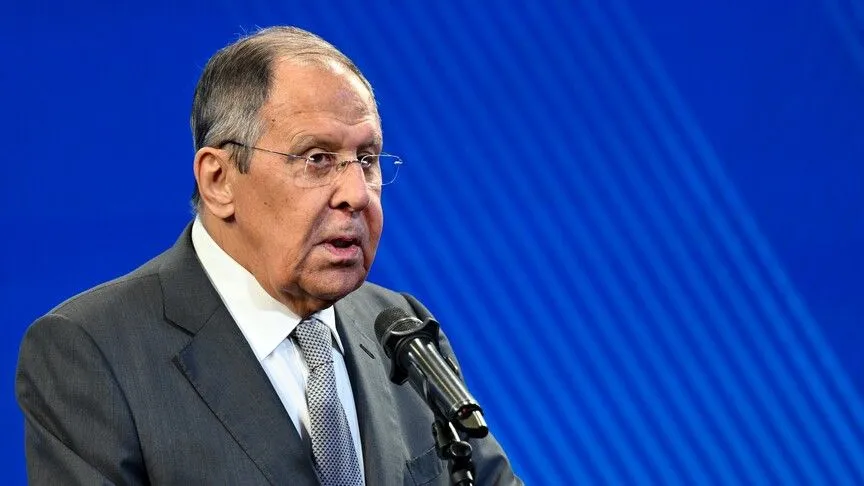
Manama, The Gulf Observer: Russian Foreign Minister Sergey Lavrov has said that the agreement on diesel supplies between Russia and the United States is a bilateral matter between Moscow and Washington, dismissing Ukrainian President Volodymyr Zelensky’s reported claims regarding Ukraine’s role in the issue.
Speaking at a news conference following the ninth round of the Russia-Gulf Cooperation Council (GCC) Strategic Dialogue in Bahrain, Lavrov said the arrangement should be addressed by the two countries directly involved.
“The diesel deal between Moscow and Washington is a matter for Moscow and Washington,” Lavrov said.
He criticised the European Union’s reported characterisation of the arrangement as a betrayal of Ukraine and rejected Zelensky’s position that Russian diesel exports should require his permission. Lavrov argued that such claims were unrelated to energy security.
The remarks followed a telephone conversation between Russian President Vladimir Putin and US President Donald Trump on October 9, during which the two leaders discussed several issues, including supplies of petroleum products.
According to Putin, Russia had reiterated its readiness to supply oil and petroleum products to the United States and international markets.
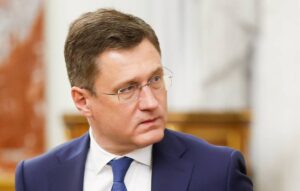
Russian Deputy Prime Minister Alexander Novak said Moscow would lift its ban on diesel exports ahead of schedule and was prepared to supply 300,000 tonnes of diesel in October, increasing deliveries to 500,000 tonnes in November and one million tonnes in December. Monthly supplies could subsequently rise to three million tonnes.
Meanwhile, the US administration issued a general licence authorising Russian diesel supplies to the global market until April 7, 2027.
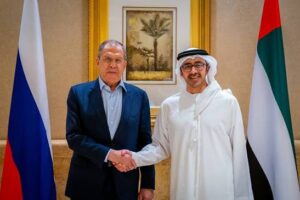
The discussions took place on the sidelines of the ninth round of the Russia-GCC Strategic Dialogue, which provides a platform for Russia and the six GCC member states to discuss cooperation and regional and international developments.
The Gulf Cooperation Council comprises Bahrain, Qatar, Kuwait, the United Arab Emirates, Oman and Saudi Arabia. The organisation aims to strengthen cooperation among its members across various sectors and coordinate positions on key regional and international issues.