Sri Lanka Targets $15 Billion Digital Economy Through Digital Infrastructure and Skills Development
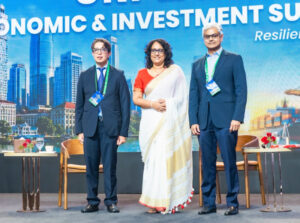
Colombo, The Gulf Observer: Sri Lankan Prime Minister Dr. Harini Amarasuriya has emphasized that developing digital infrastructure and strengthening human-centred skills are essential to achieving the country’s ambition of building a digital economy worth US$15 billion.
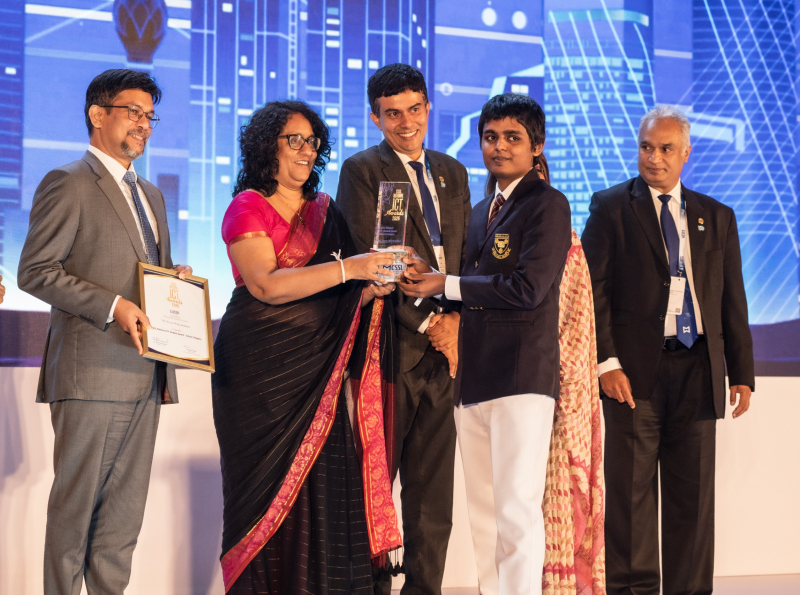
The Prime Minister made these remarks while addressing the 44th National Information Technology Conference (NITC 2026), held in Colombo on October 14 in conjunction with the Golden Jubilee celebrations of the Computer Society of Sri Lanka (CSSL).
Highlighting the progress of the government’s digitalisation initiatives, Amarasuriya said the GovPay platform, designed to facilitate digital payments for government services, had processed transactions exceeding Rs. 2 billion across more than 215 government institutions as of December 2025.
The Prime Minister stressed that bridging the digital divide in education was fundamental to building a sustainable digital economy, adding that digital transformation must begin in school classrooms.
She said the government was prioritising not only the provision of technological devices but also teacher training, digital literacy and the development of critical thinking skills to prepare students for an increasingly technology-driven world.
Addressing the need for reliable communications during emergencies and natural disasters, Amarasuriya highlighted an agreement between the Telecommunications Regulatory Commission of Sri Lanka and the Sri Lanka Broadcasting Corporation to establish an amateur radio network.
The initiative is supported by a grant of US$181,837 from the United States government and aims to ensure uninterrupted communication during emergencies and disasters.
The Prime Minister also underscored the importance of integrating artificial intelligence into the public and private sectors responsibly, stressing that its adoption must be guided by transparency, accountability and the protection of human well-being.
Referring to Japan’s Society 5.0 vision and Singapore’s SkillsFuture programme, she noted that technology should not be viewed merely as a tool but should be harnessed to improve citizens’ quality of life and ensure equal opportunities for all.
Amarasuriya reaffirmed the importance of aligning digital development with human needs, ensuring that technological progress contributes to inclusive growth and benefits society as a whole.
The conference was attended by Deputy Minister of Digital Economy Eranga Weeraratne, Secretary to the Prime Minister Pradeep Saputhanthri, members of the Computer Society of Sri Lanka and other distinguished guests.