Sri Lanka Urged to Fast-Track Preferential Trade Deal with Indonesia as Trade Imbalance Grows
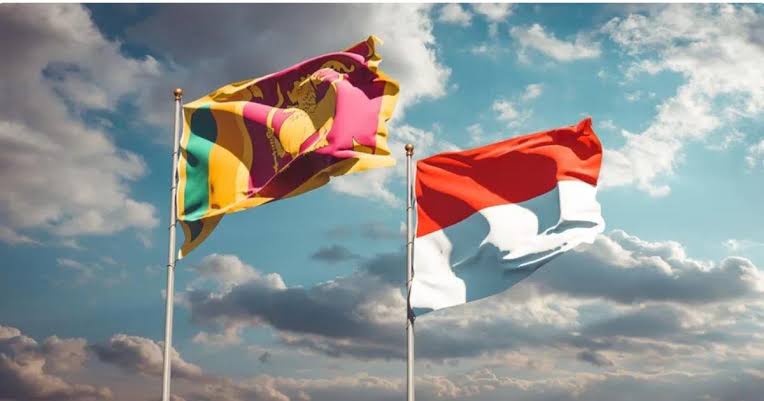
Colombo, The Gulf Observer: Sri Lanka needs to move quickly towards formal economic integration with Indonesia, the largest economy in Southeast Asia, as bilateral trade remains small and heavily tilted in Jakarta’s favour, according to a new analysis of relations between the two countries.
In 2025, Sri Lanka exported goods worth USD 45.2 million to Indonesia and imported goods worth USD 556.4 million. Sri Lanka therefore imports roughly ten times as much as it exports to Indonesia. Indonesia is Sri Lanka’s 8th largest source of imports but only its 47th export destination. Annual bilateral trade has stayed between USD 400 and 600 million for years. Earlier efforts to raise it had little effect, including the Sri Lanka–Indonesia Business Council set up in 1991 and an Agreement for Economic and Technical Cooperation signed in 1996.
The analysis notes that Sri Lanka has long focused its trade on the West, a legacy of colonial rule since the 16th century. It also passed up an invitation to become a founding member of ASEAN in 1967. Formal engagement with Indonesia began only in 2017, when President Joko Widodo and then Sri Lankan President Maithripala Sirisena agreed in Jakarta to explore a preferential trade agreement.
The two nations have a long shared history. It includes Hindu-Buddhist exchanges dating back to the 5th century and common rule under the Dutch East India Company, which governed Sri Lanka’s coastal territories from its headquarters in Batavia, now Jakarta. In 1955, both countries helped convene the Bandung Conference. They will mark 75 years of diplomatic relations in August 2027.
The analysis identifies clear opportunities for both sides. Sri Lankan apparel, tea and gems could reach Indonesia’s growing middle class. Cheaper Indonesian inputs such as paper, textiles, coal, palm oil and clinker could make Sri Lankan industry more competitive. Direct flights between Colombo and Mattala on one side and Jakarta and Bali on the other could boost tourism and logistics. Indonesian expertise in infrastructure, renewable energy and construction could also support Sri Lanka’s economic recovery.
Indonesia’s economic weight adds to the case. It has a GDP of about USD 1.4 trillion and a population of more than 280 million, with growth of around 5 percent. It is now an official candidate for OECD membership, with a target date of 2027. The analysis says closer ties with Jakarta would help Sri Lanka avoid over-reliance on one or two major powers and open the door to wider engagement with ASEAN. It concludes that a bilateral preferential trade agreement is long overdue.