Vietnam Reaffirms ASEAN’s Support for UN Scientific Committee on Atomic Radiation
New York, The Gulf Observer: Vietnam, on behalf of the Association of Southeast Asian Nations (ASEAN), has reaffirmed the bloc’s support for the independent and objective scientific role of the United Nations Scientific Committee on the Effects of Atomic Radiation (UNSCEAR), stressing the importance of international cooperation and strengthening radiation safety capacities in developing countries.
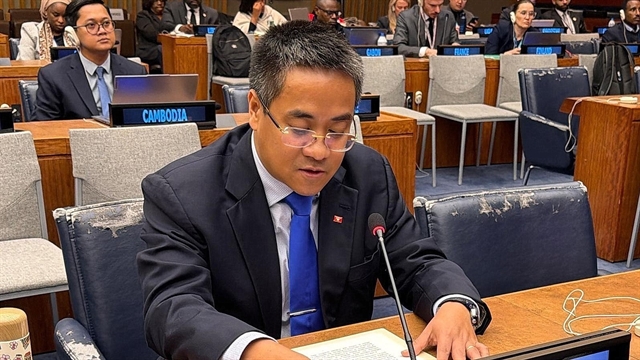
The statement was delivered by Minister Counsellor Nguyễn Hải Lưu, Deputy Permanent Representative of Vietnam to the United Nations, during a session on “Effects of Atomic Radiation” held by the Special Political and Decolonisation Committee (Fourth Committee) of the 81st session of the United Nations General Assembly in New York on October 21.
Lưu highlighted UNSCEAR’s significant contributions since its establishment in 1955 in providing independent, objective and evidence-based assessments of the sources, levels, effects and risks of ionising radiation.
He noted that the committee’s scientific assessments serve as an important foundation for developing international radiation protection and safety frameworks and standards, including those established by the International Atomic Energy Agency (IAEA). These efforts contribute to safeguarding human health and protecting the environment from the potential harmful effects of radiation.
On behalf of ASEAN, Vietnam called on countries to continue contributing scientific data, enhancing international cooperation and participating actively in global surveys, including those addressing medical exposure to radiation.
At the regional level, ASEAN reaffirmed its commitment to strengthening cooperation on nuclear and radiation safety, particularly through the ASEAN Network of Regulatory Bodies on Atomic Energy (ASEANTOM).
The bloc also emphasised the importance of sharing information, exchanging technical expertise and cooperating with relevant international organisations in accordance with their respective mandates.
Expressing concern over the financial and operational challenges facing UNSCEAR, ASEAN underscored the need to ensure adequate and stable resources, alongside appropriate institutional support, to enable the committee to effectively fulfil its mandate while preserving its scientific independence.
During the session, several other countries also reiterated their support for UNSCEAR’s work, emphasising the importance of maintaining scientific independence, expanding international cooperation and providing sufficient resources to sustain its activities.
UNSCEAR plays a key role in assessing scientific evidence on radiation exposure and its potential effects, helping inform international efforts to strengthen radiation protection and promote the safe use of radiation-related technologies.