Azerbaijan Urges Stronger Global Cooperation to Combat Persistent Landmine Threat
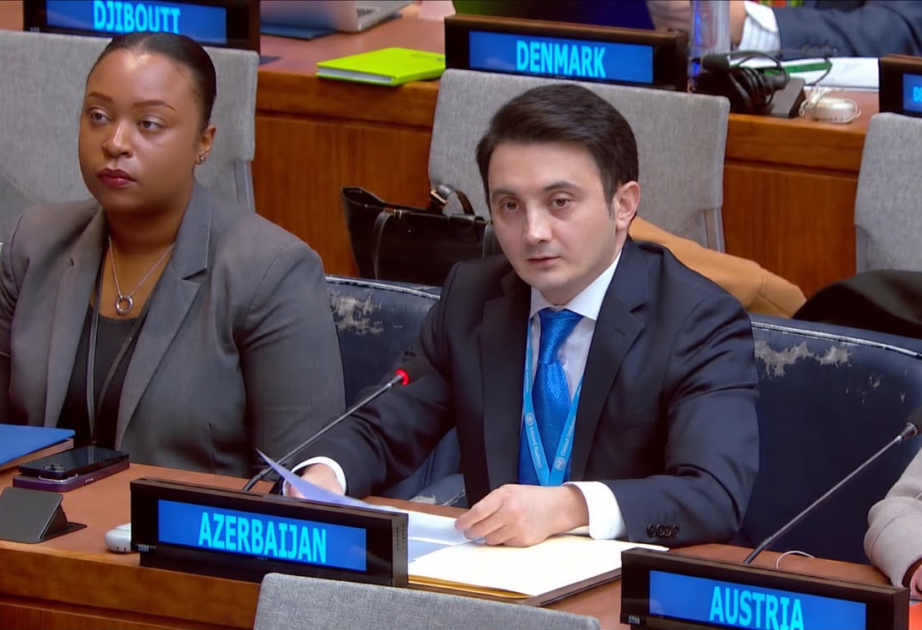
Washington, The Gulf Observer: Azerbaijan has called for sustained international solidarity, stronger partnerships and increased assistance for humanitarian mine action, warning that landmine contamination continues to pose a serious threat to human life, reconstruction and the safe return of internally displaced persons.
Magsad Huseynov, First Secretary of the Permanent Mission of Azerbaijan to the United Nations, made the remarks during the thematic discussion on conventional weapons at the First Committee of the 81st session of the United Nations General Assembly.
Huseynov said the past conflict had left Azerbaijan among the countries most severely affected by landmine contamination, with an estimated 1.5 million landmines and an unknown number of explosive remnants of war remaining in affected areas.
Highlighting the human cost of the contamination, the Azerbaijani diplomat stated that more than 3,500 people had become victims of landmines and explosive remnants of war over the past three decades. Since November 2020 alone, 443 Azerbaijani citizens, including women and children, had been killed or injured, with the number continuing to rise.
He emphasized that landmines continued to cause deaths and serious injuries, particularly because they had been widely placed in civilian areas, cemeteries, cultural sites and other locations, making their identification and clearance especially challenging.
Beyond the immediate danger to civilians, Huseynov noted that extensive mine contamination was obstructing reconstruction and rehabilitation efforts, restricting access to agricultural land and hindering the safe and dignified return of internally displaced persons to their places of origin.
The diplomat stressed the importance of compliance with international obligations concerning landmines, stating that states using such weapons were required to record their placement and, following the cessation of active hostilities, remove them, render them harmless to civilians or facilitate their removal.
Huseynov also recalled Azerbaijan’s statement delivered on behalf of 19 countries during the general debate of the 19th session of the Conference of States Parties to the Convention on the Rights of Persons with Disabilities. The statement highlighted the rights of persons with disabilities in conflict and post-conflict settings affected by landmines, explosive remnants of war and improvised explosive devices.
Addressing the issue of illicit arms trafficking, Huseynov said that parts of Azerbaijan’s territory had remained under occupation for nearly three decades and had functioned as a “grey zone” conducive to illicit activities, including the trafficking of conventional arms, ammunition and related materials.
He added that following the restoration of its sovereignty, Azerbaijan had strengthened border controls in these areas, helping reduce the risk of illicit trafficking.
The Azerbaijani diplomat underscored that combating the illegal trafficking of arms was an important component of broader international efforts to maintain peace and security.
He further emphasized that all states must fulfil their obligations under internationally recognized principles and rules of international law, particularly those concerning the sovereignty and territorial integrity of states and non-interference in their internal affairs.
Huseynov’s statement highlighted the need for continued international cooperation to address the humanitarian consequences of landmine contamination, protect affected populations and support reconstruction and rehabilitation in post-conflict areas.