Kuwait Approves Defence Cooperation Agreement with Pakistan
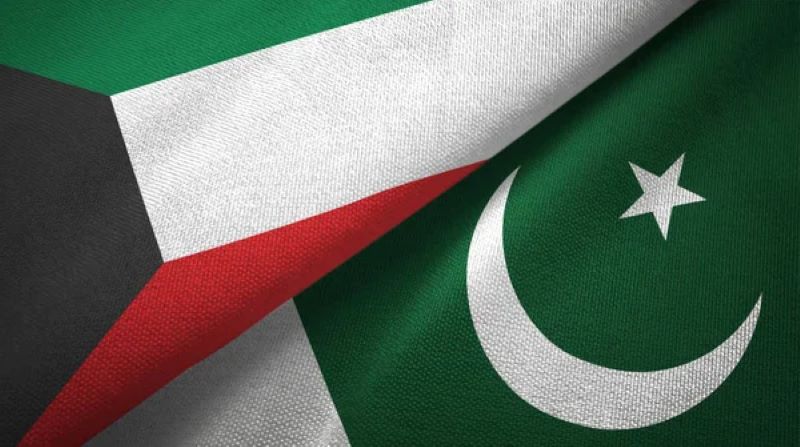
Kuwait City, The Gulf Observer: The Government of Kuwait has formally approved a defence cooperation agreement with Pakistan, marking a significant step toward strengthening military relations between the two countries.
According to Arab media reports, the approval was officially published on Sunday in Kuwait’s Official Gazette, Kuwait Alyawm, under Decree No. 73 of 2026.
The decree ratifies the defence cooperation agreement signed in Kuwait on June 11, 2023, with the objective of enhancing bilateral defence ties and establishing a comprehensive framework for military cooperation in accordance with the laws and regulations of both countries and their respective international obligations.
Under the agreement, the two sides will cooperate in areas including military training and education, logistical support, exchanges of military personnel, scientific and technical collaboration, military intelligence, and other mutually agreed fields.
The agreement also provides for the preparation of annual implementation plans through executive protocols and programmes developed jointly by both countries. It further encourages enhanced cooperation through exchanges of official visits at various levels.
To oversee the implementation of the agreement, a Joint Military Committee will be established. The committee, comprising members appointed by the defence ministers of both countries, will meet annually to coordinate, monitor, and review progress under the agreement.
The agreement contains comprehensive provisions on the protection of classified information, stipulating that confidential documents, materials, and information exchanged between the two parties may not be disclosed to any third party without the prior written consent of the originating party. The obligation to maintain confidentiality will remain in effect even after the agreement expires.
Regarding financial arrangements, the agreement is based on the principle of mutual cooperation. The host country will bear the costs of domestic official travel, accommodation, and emergency medical treatment for visiting official delegations.
The agreement also clarifies that its provisions will not affect the rights or obligations of either country under other international treaties or agreements. Any disputes arising from the interpretation or implementation of the agreement will be resolved amicably through bilateral consultations, without referral to any third party or domestic or international court.