Vietnam’s Major Achievements Over the Last 80 Years and the Vision Forward to 2045
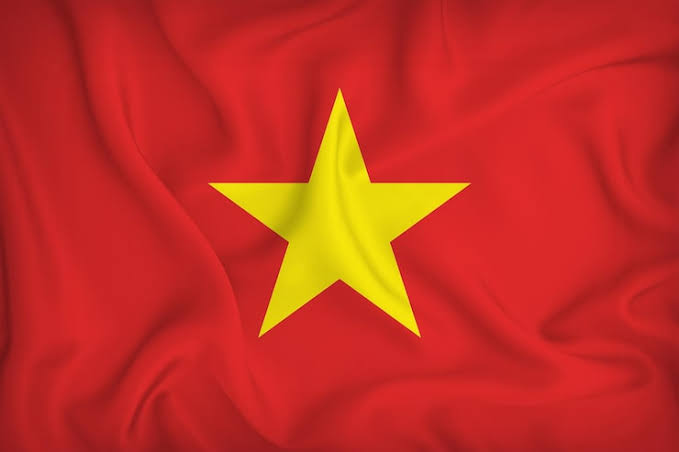

On September 2, 1945, President Ho Chi Minh declared Vietnam’s independence at Ba Dinh Square in Hanoi, forming the Democratic Republic of Vietnam. It was an occasion that illuminated a new dawn for a country that had been ruled for centuries by feudal lords and almost a century by colonial powers. During the next 80 years, Vietnam will grow from a war torn, impoverished nation to a dynamic, resilient and prosperous middle-income nation. The journey is emblematic of the indomitable character of its people, its visionary leadership and its steadfast determination to be independent, united and developed. In 2045, Vietnam will be celebrating the 100th anniversary of its independence, which will be a developed country with a high standard of living, bringing peace, prosperity and happiness to everyone.
The Foundations of Independence and Reunification (1945–1975)
The August Revolution of 1945 was the end of colonialism, and the first people’s democratic state in Southeast Asia. Under the leadership of the Communist Party of Vietnam, the Vietnamese people fought heroic resistance wars against all odds, such as famine, illiteracy and foreign aggression. The victory at Dien Bien Phu in 1954 was over French colonialism and the victory of the Ho Chi Minh Campaign and Spring Offensive in 1975 liberated the South, reuniting the nation on April 30, 1975.
These battles were more than just victories; they created a sense of unity and strength among the nation. Millions gave up their lives for the cause of “Nothing is more precious than independence and freedom.” After the reunification, Vietnam started the long process of healing the wounds of war, repairing the damage, and laying the foundations for socialism. Even with the losses, millions of deaths, damaged landscapes and a ruined economy, the spirit of self-reliance emerged. The country became food self-sufficient in a number of sectors and laid the groundwork for future rapid growth by creating basic structures in education and health care.
However, by the middle of the 1980s, the economy was in difficulties, due to shortages as well as hyperinflation, which reached 774%, in 1986. These difficulties prompted a bold pivot, setting the stage for one of the most remarkable economic turnarounds in modern history.
The Doi Moi Era: Economic Renaissance and Global Integration (1986–Present)
Doi Moi (Renovation), a far-reaching reform process started by the Sixth National Congress of the Communist Party in 1986, which moved away from a subsidized, bureaucratic system to a socialist-oriented market economy. It was a practical and creative policy that opened the door for Vietnamese people and brought Vietnam into the global market.
The outcomes have been amazing. Vietnam’s GDP in 2024–2025 was estimated at $476-510 billion, among the top in Southeast Asia (4th place) and the world (around 32-34th place) with a growth rate of around 500%. Per capita GDP rose from roughly $35–60 in 1945 to about $4,700–5,000 today—an increase of over 130 times. Typical annual growth has been about 6-7 percent for decades, even during global crises such as the financial meltdown in 2008 and the COVID-19 pandemic.
In the early 1990s, poverty stood at more than 58%, but today it is below 3%, which has helped to bring tens of millions out of poverty and into the middle class. The life expectancy rose from approximately 38 years in 1945 to 74.5 years in 2025. Literacy was close to becoming a universal skill; almost all people were educated in any level. Alongside its success in coffee and seafood exports, and other agricultural products, Vietnam has transformed from a food-scarce country to one of the world’s leading exporters of rice, exporting more than 9 million tons in the last few years.
Trade and Investment Boom: Vietnam signed 17 free trade agreements (FTAs), joined ASEAN (1995); APEC (1998); WTO (2007); and normalized relations with the United States (1995) and others. In 2024, total trade turnover was valued at $786 billion and there was steady trade surplus. Vietnam’s foreign direct investment (FDI) disbursed amounted to $320-330 billion, which put it in the league of the world’s most attractive destinations for FDI. Now it is in the top 20 in terms of trade and investments appeal.
Industrialization and Modernization: The economy moved from agriculture to manufacturing, electronics (e.g., Samsung, Intel), textiles, and high-tech industries. Export industries thrived and Vietnamese products went to all corners of the world. Infrastructure expanded, modern highways, ports, airports and cities, such as Hanoi and HCMC reflected progress. Digital economy is growing at a rapid pace and start-ups are in the forefront in Southeast Asia.
Social and Human Development: Vietnam has met most of the Millennium Development Goals early. There was a significant improvement in access to health services, with a strong public health system and increased emphasis on preventative health. Education grew and resulted in a skilled workforce. Gender equality improved and increased the protection of social safety nets. There was also a strong emphasis on cultural preservation, with a celebration of the culture and heritage of Vietnam while also promoting modernization.
International Standing: Vietnam today has diplomatic relations with almost all the members of the United Nations Organization, and is active in multi-lateral forums, following the stage of isolation. It has promoted its foreign policy of independence, self-reliance, diversification and multilateralism, which has raised its prestige as a responsible global player and peace promoter.
The successes are the result of the complementarity of the Party, state management and the creative power of the people. Vietnam has shown that inclusive and sustainable growth is possible through persistent, contextually-appropriate reforms.
Key Pillars of Success
- Resilience and Adaptability: Overcoming wars, embargoes, and crises through unity and innovation.
- Human Capital: Investing in education and health has created a young, dynamic population ready for the knowledge economy.
- Openness: Proactive integration while safeguarding sovereignty.
- Innovation Drive: Rising Global Innovation Index ranking (44th in 2024) and growing tech ecosystem.
The Way Forward to 2045: A Vision of Prosperity and Sustainability
The Vietnam 2045 targets are ambitious but not out of reach, given their success in the past. The 14th National Party Congress and the resolutions adopted there provide a clear roadmap – to become a developed, high-income country with modern industry, socialist-oriented market economy and high quality of life. By 2030, it aims to reach upper-middle-income status, GDP per capita of about $8,500 and develop strong industrial bases. The country has set high expectations for the year 2045, including high-income status with some estimates of $27,000+ per capita GDP and global competitiveness and a strong digital and green economy.
Economic Transformation: Productivity, innovation, science and technology, and digital transformation will be the drivers of growth in the coming years between 8 and 10% plus. Priorities include:
- Boosting the private sector to 3 million enterprises by 2045, contributing over 60% of GDP.
- Promoting high-value manufacturing, semiconductors, AI, renewables and the circular economy.
- Expanding global value chain integration and establishing linkages in the domestic value chain.
- Transport, energy and digital connectivity infrastructure megaprojects.
Sustainable and Green Development: Vietnam aims for the Net Zero target by 2050, and is progressing to expand the penetration of renewable energy (solar and wind targets are ambitious) and climate resistance. Protecting forests (~42%) and biodiversity will generate millions of jobs in the context of green growth.
Human and Social Focus: Improving human development index (HDI ~0.8+) and life expectancy, skills development, and inclusive growth. Poverty reduction is ongoing, with focus on multidimensional indicators of well-being and happiness. Urbanization will be at 50%+ by 2030, along with Rural development.
Institutional Modernization: Governance, Anti-corruption, Legal, Local innovation. Specific momentum is given by resolutions on the private sector, science-technology and urban development.
Global Role: Vietnam will remain a bridge builder, taking advantage of FTAs, strategic partnerships, and geographical location for peace and prosperity.
There are challenges, including the aging population, climate change threat, and the impact of technology, but Vietnam’s history of overcoming difficult times gives us hope. The vision can be realized with ongoing reforms, investment in people and national unity.
Conclusion: A Bright Horizon
Vietnam has written an epic of resilience, renewal and rise in 80 years. Its journey from the fire to the growth light of Asia, is inspirational to the world. As it progresses towards 2045, the country continues to uphold the ideals of its founding fathers- independence, unity and the happiness of every citizen. A prosperous, modern and vibrant Vietnam, tall and proud, will make a significant contribution to regional peace and world development. The future is not only promising, but being created now by the hands, minds and hearts of the Vietnamese people.
The story is an evidence to the indomitable spirit of a nation that faced hardships and challenges and managed to emerge victorious through vision, determination, and adaptability. Vietnam is heading towards a bright new future.
Copyright © 2026 by Muhammad Ali Pasha. All rights reserved. Reproduction or distribution of this content, in whole or in part, without prior written permission is prohibited.