Azerbaijan Urges International Support for Humanitarian Demining at UN
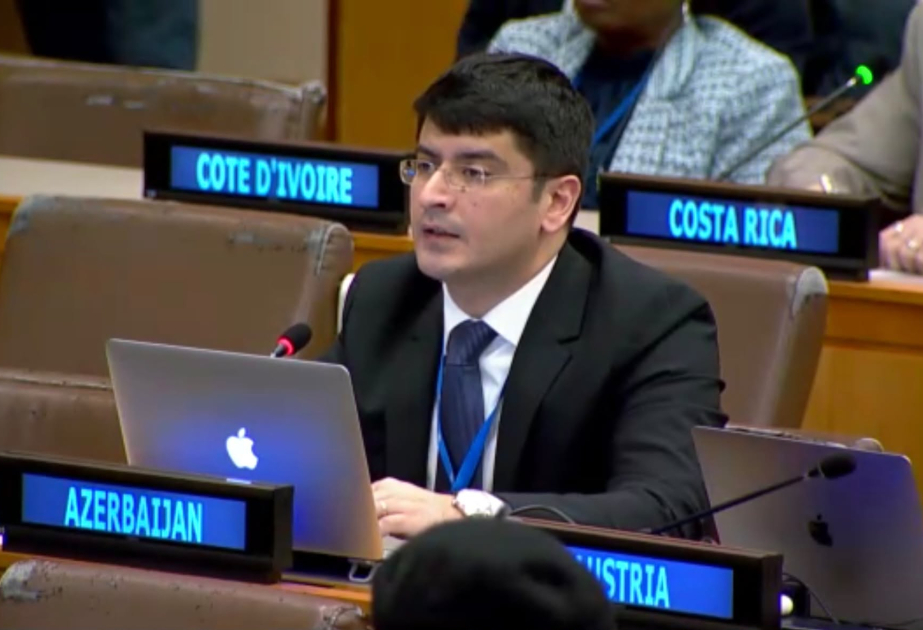
Washington, The Gulf Observer: More than 13 percent of Azerbaijan’s territory has been contaminated by landmines and other explosive remnants of war, while only 24.3 percent of the affected areas have been cleared to date, an Azerbaijani diplomat told the United Nations General Assembly.
Shahriyar Hajiyev, First Secretary of Azerbaijan’s Permanent Mission to the United Nations, shared the figures during an interactive dialogue with the Special Rapporteur on the human rights of internally displaced persons (IDPs) at the 81st session of the UN General Assembly.
Hajiyev expressed concern over the continuing threat posed by landmines, stating that more than 400 Azerbaijani citizens, including women and children, had been killed or injured in mine incidents since 2020.
He emphasized that post-conflict reconstruction and recovery following the widespread destruction caused by armed conflict and occupation remained a key national priority for Azerbaijan.
According to the diplomat, Azerbaijan has allocated more than $16 billion to rebuilding cities, towns and villages destroyed during the conflict. Under the Great Return Programme, nearly 100,000 people are now living, working and studying in newly constructed communities across 48 residential areas.
Hajiyev stressed that the persistent threat from landmines highlighted the need for accountability and adequate international assistance to support humanitarian demining operations and national efforts to restore the rights of internally displaced persons.
He described the clearance of landmines, other explosive remnants of war and improvised explosive devices as essential to restoring livelihoods, promoting economic recovery and achieving durable solutions for displaced communities.
The Azerbaijani diplomat reaffirmed his country’s commitment to creating the necessary conditions for the full realization of the human rights of internally displaced persons.
He also expressed Azerbaijan’s readiness to share its experience and best practices in post-conflict recovery and reconstruction with the international community.