Imam Hussain’s Mission & Message of Karbala
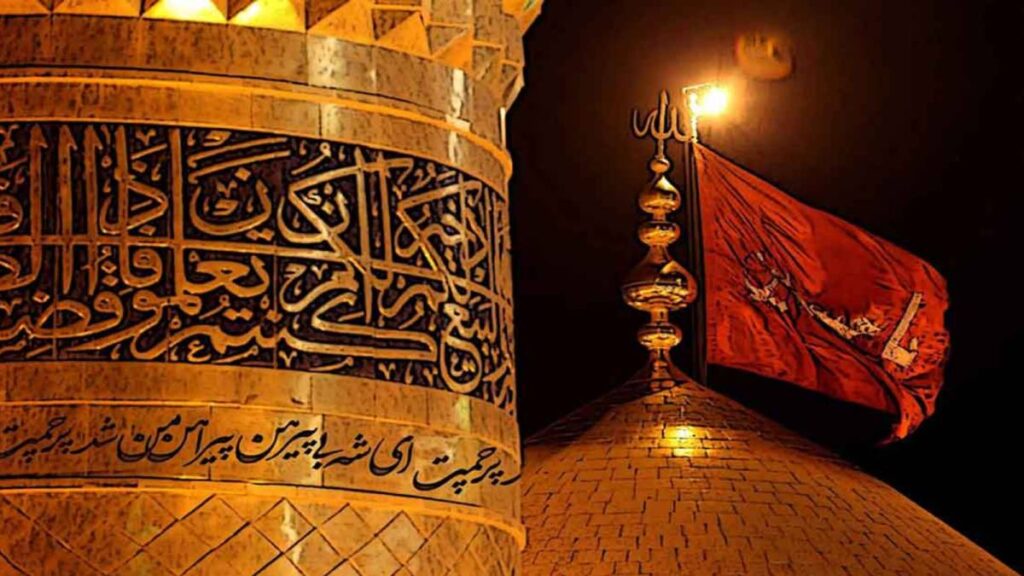
The tragedy of Karbala teaches sacrifice, fortitude, valour, steadfastness and commitment to a divine mission. It stands against tyranny, monarchy and injustice and upholds freedom, virtue and justice. The Quran emphasizes consultation in governance. Surah Shura states, “And their rule is to take counsel among themselves,” while Surah Ale Imran commands, “And take counsel with them in the affairs.” Islamic governance is founded upon justice and consultation, not hereditary rule. Yazid’s succession violated these Quranic principles.
Imam Hussain’s mission was to reject monarchy and uphold the true spirit of Islamic governance. In modern terms, this reflects the ideals of accountability and public consent. Refusing allegiance to Yazid was, therefore, a religious and moral duty. The Holy Prophet (PBUH) himself consulted his companions on important matters, demonstrating the importance of consensus. Many scholars have condemned monarchy and praised Imam Hussain’s stand. Historians have described Karbala as a turning point in Muslim history. Yazid is widely portrayed as an unjust ruler, while Imam Hussain remains a symbol of piety, courage, integrity and devotion. When the Governor of Medina demanded allegiance to Yazid, Imam Hussain famously replied: “How can a person like me pledge allegiance to a person like Yazid?” Faced with the choice between submission and sacrifice, he chose honour. He preferred death with dignity over life in humiliation.
The tragedy of Karbala was not merely a political conflict between two individuals. It was a struggle between truth and falsehood, justice and tyranny. Imam Hussain knew the consequences of his stand yet remained steadfast. Alongside his family and companions, he endured immense suffering and sacrifice for the preservation of Islamic values.
According to Islamic tradition, the sacrifice of Imam Hussain was foretold. The Holy Prophet (PBUH) deeply loved his grandson and is reported to have said: “Hussain is from me and I am from Hussain.” Imam Hussain’s elevated status is also reflected in various Quranic verses and Prophetic traditions concerning the Prophet’s family.
At Karbala, Imam Hussain called upon his opponents to reflect on justice and humanity. He declared that he stood for reform, freedom and justice. His appeal was ignored and he, along with his family and companions, was martyred. Yet his sacrifice ensured that the principles of Islam survived the distortions of tyranny and hereditary rule.
The message of Karbala remains relevant today. It calls upon humanity to oppose oppression, extremism and injustice while promoting democracy, moderation, tolerance, peace and human dignity. It urges support for oppressed peoples everywhere, regardless of faith or nationality.
Imam Hussain’s mission was to uphold truth, justice and human dignity. His sacrifice transformed Karbala into a timeless symbol of resistance against tyranny. His name continues to inspire millions, while his stand remains a beacon for all who seek justice, freedom and moral courage.