Over 199,000 Tourists Visit Kulob’s Historic and Cultural Attractions in First Half of 2026
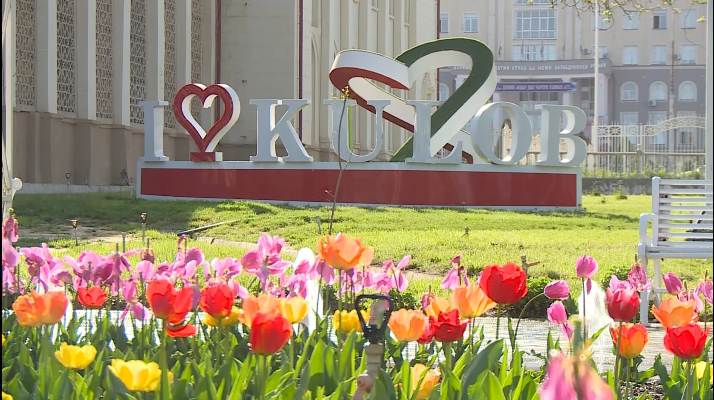
Dushanbe, The Gulf Observer: More than 199,000 domestic and international tourists visited the historical and cultural attractions of Kulob City during the first six months of 2026, highlighting the growing appeal of one of Tajikistan’s oldest cultural and tourism destinations.
According to the Regional Tourism Development Department of Kulob, a total of 199,206 tourists explored the city and its surrounding attractions between January and June. The visitors included 5,738 foreign tourists and 193,468 domestic travelers.
Tourism officials said Kulob currently offers a well-developed hospitality infrastructure, including 19 hotels, 16 restaurants, 10 resorts and recreation centers, seven tourist sites, five pilgrimage sites, four museums, four souvenir shops, four traditional teahouses, and three tourist information centers serving local and international visitors.
With a history spanning more than 2,700 years, Kulob is regarded as one of the oldest centers of Tajik civilization. Its rich historical, cultural and natural heritage has made it one of the country’s most important tourism destinations.
Among the region’s most popular attractions are the Museum of the Leader of the Nation in Danghara District, the Hulbuk Fortress in Vose District, the 2,700th Anniversary Museum of Kulob, the Mausoleum of Mir Sayyid Ali Hamadani, and the scenic landscapes of Baljuvon, Khovaling, Muminobod and Shamsiddin Shohin districts. Visitors are also drawn to renowned natural and religious sites such as Sari Khosor, Childukhtaron, and the Mausoleum of Sultan Uwais Qarani.
Local handicrafts continue to be a major attraction for visitors. Traditional crafts practiced by women artisans—including Chakan embroidery, patchwork, decorative embroidery, pottery and wooden tray carving—not only preserve Tajik cultural heritage but also contribute to household incomes and create employment opportunities.
Kulob’s traditional cuisine has also emerged as an important component of the region’s tourism appeal. Skilled local women prepare a variety of national dishes, including Qalama, Tahmol, Oshi Burida, Oshi Palov, Qurutob, Mantu, Shirbat, Shurbo, Shirbirinj, Shirrughan, Shakarob and Nashoista, offering visitors an authentic taste of Tajik culinary traditions.
Tourists frequently sample these traditional dishes while visiting local markets, tourist attractions and cultural events, providing them with a deeper appreciation of the region’s gastronomic heritage. Tourism experts believe that promoting these culinary traditions could significantly support the development of gastronomy tourism in the region.
Authorities noted that tourism remains one of Tajikistan’s priority and high-revenue economic sectors, generating important income for the state budget while contributing to broader economic development.
They also emphasized that Tajikistan possesses significant untapped tourism potential. With effective utilization of its natural, historical and cultural resources, the country is well-positioned to attract a growing number of international visitors in the years ahead.