Ramaphosa Calls for Stronger African Unity, Democratic Governance and Economic Integration at Pan-African Parliament
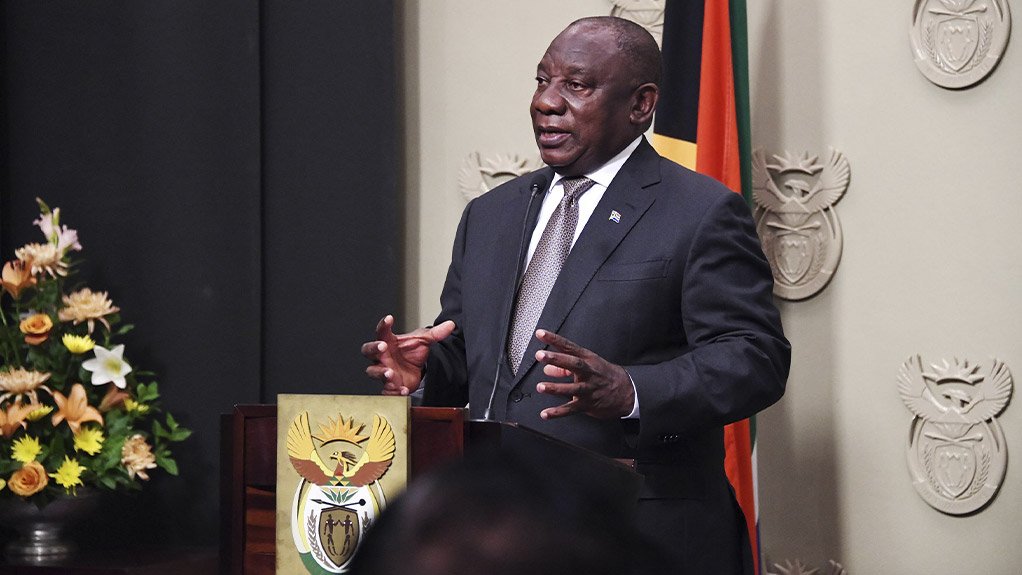
Midrand, The Gulf Observer: South African President Cyril Ramaphosa has reaffirmed his country’s unwavering commitment to African unity, democratic governance, peace, and sustainable development, urging African nations to strengthen continental cooperation in the face of growing global and regional challenges.
Addressing the First Ordinary Session of the 7th Pan-African Parliament, President Ramaphosa said the Parliament represents the hopes and aspirations of more than 1.5 billion Africans and remains a vital pillar of the continent’s democratic architecture.
He noted that Africa continues to face the impacts of global conflict, economic uncertainty, geopolitical tensions, and accelerating climate change. Expressing solidarity with Algeria, Morocco, and Tunisia following devastating wildfires, Ramaphosa extended condolences to the affected governments and people for the loss of lives and property.
Congratulating Dr. Fateh Boutbig, President of the Pan-African Parliament, and the newly elected Vice-Presidents, Ramaphosa expressed confidence in the Parliament’s leadership and its ability to advance the goals of African unity and integration.
Reflecting on South Africa’s democratic journey, the President highlighted the country’s return to the African family of nations following the end of apartheid in 1994 and reaffirmed its enduring commitment to supporting continental peace, development, institution-building, and regional integration.
Ramaphosa underscored South Africa’s contributions to major African initiatives, including hosting the inaugural African Union Summit in 2002, helping establish the African Peer Review Mechanism, and co-creating the New Partnership for Africa’s Development (NEPAD). He also highlighted the country’s role in peacekeeping, mediation, humanitarian assistance, and democratic governance across the continent.
The President praised Africa’s collective response to the COVID-19 pandemic through the African Union and the Africa Centres for Disease Control and Prevention (Africa CDC), noting that initiatives such as the Africa Medical Supplies Platform and the African Vaccine Acquisition Task Team demonstrated the strength of continental solidarity and cooperation.
Calling for stronger democratic institutions, Ramaphosa urged the Pan-African Parliament to continue promoting constitutional governance, transparency, accountability, and the rule of law while opposing unconstitutional changes of government, corruption, and the erosion of democratic institutions.
Addressing this year’s African Union theme, “Assuring Sustainable Water Availability and Safe Sanitation Systems to Achieve the Goals of Agenda 2063,” the President described access to clean water and sanitation as a fundamental human right and called for greater investment in water infrastructure, improved governance, and enhanced cross-border cooperation to address water security challenges intensified by climate change.
Ramaphosa also stressed the importance of accelerating the implementation of the African Continental Free Trade Area (AfCFTA), describing it as the continent’s most powerful instrument for promoting economic integration, industrialization, job creation, and inclusive growth. He called on African governments to eliminate non-tariff barriers, modernize customs systems, improve transport and logistics networks, and harmonize trade regulations.
On migration, the President emphasized the need for balanced policies that combine effective immigration management with the protection of human rights and human dignity. He warned against xenophobia and the scapegoating of migrants while calling for greater efforts to address the root causes of migration, including conflict, poverty, unemployment, and weak governance.
Ramaphosa concluded by urging African leaders to translate continental agreements into concrete actions that improve the lives of citizens through investments in education, healthcare, infrastructure, industrialization, and youth empowerment.
He called for a united Africa that speaks with one voice on global governance reforms, including the reform of the United Nations Security Council and the international financial architecture, emphasizing that the continent’s future depends on unity, peace, democratic governance, and sustainable economic development.