Sri Lanka Committed to Modern, Skills-Based Education Reform: Prime Minister
Colombo, The Gulf Observer: Sri Lankan Prime Minister Dr. Harini Amarasuriya has reaffirmed the government’s commitment to transforming the country’s education and assessment systems by reducing reliance on examinations and promoting skills, creativity, experiential learning and holistic student development.
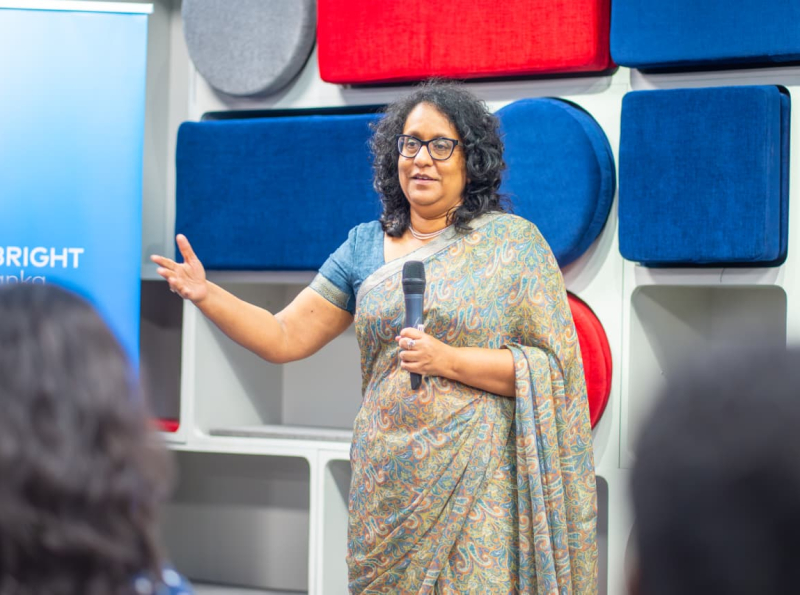
Speaking at the public lecture “250 Years of Educational Excellence: Lessons from a Sri Lankan American” in Colombo on August 12, the Prime Minister said education reforms are focused on creating a modern, inclusive and future-ready system that responds to the needs of the present and future generations.
The lecture was delivered by Fulbright Specialist Dr. Priyanvada Abeywickrama and organized by the United States–Sri Lanka Fulbright Commission, which has fostered academic, cultural and professional exchanges between the two countries since 1952.
Dr. Amarasuriya said reforming the national assessment system is a central pillar of the government’s education agenda, aimed at reducing excessive dependence on examinations while encouraging activity-based and experiential learning. She emphasized that the reforms would preserve the strengths of Sri Lanka’s longstanding education system while modernizing it to better equip students with practical skills and critical thinking.
The Prime Minister also underscored the importance of enhancing digital literacy among teachers, school principals and parents, and called for equal recognition of academic and vocational education pathways to ensure broader opportunities for students.
Expressing gratitude to Dr. Abeywickrama for her month-long contribution to the reform process, Dr. Amarasuriya said international expertise and collaboration are essential for the successful implementation of education reforms.
She also thanked the United States–Sri Lanka Fulbright Commission, the Postgraduate Institute of English of the Open University of Sri Lanka, the Department of Examinations, and all officials and partner institutions for supporting the initiative.
The Prime Minister reiterated the government’s resolve to continue working with local and international experts to build an education system that is innovative, equitable and prepared for the challenges of the future.