Vietnam’s International Air Passenger Traffic Rises 15.4% in First Half of 2026
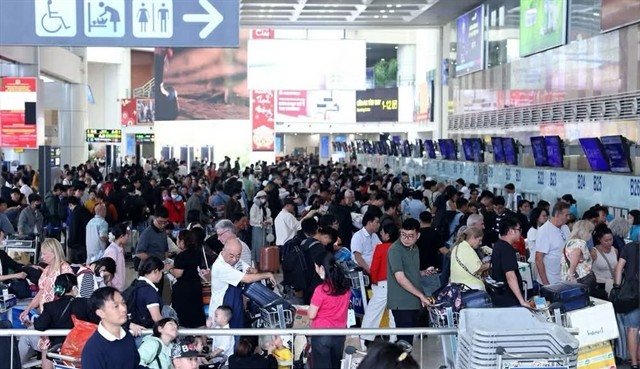
Hanoi, The Gulf Observer: Vietnam’s aviation sector recorded robust growth during the first six months of 2026, with international passenger traffic increasing by 15.4 percent year-on-year to 26.2 million passengers, according to the Civil Aviation Authority of Vietnam (CAAV).
The aviation regulator said Vietnamese airlines transported 9.6 million international passengers during the period, representing a modest 0.2 percent increase from a year earlier and accounting for 36.6 percent of total international passenger traffic.
Domestic passenger traffic also remained stable, reaching 18.7 million passengers, up 0.3 percent compared to the corresponding period of 2025.
The country’s air cargo sector also posted strong performance. International air freight throughput reached 706,700 tonnes, marking a 21.3 percent increase year-on-year. Vietnamese carriers transported 119,000 tonnes of international cargo, an increase of 8.6 percent, accounting for 16.8 percent of total international air cargo handled during the period.
According to the CAAV, Vietnamese airlines currently operate 109 international routes connecting the country with 22 countries and territories, while airlines from 41 countries and territories operate 235 scheduled international routes to Vietnam.
Despite the encouraging growth, the aviation authority warned that the industry continues to face mounting operational challenges, including increased pressure during peak travel periods, extreme weather conditions, risks posed by unmanned aerial vehicles, birds and wildlife around airports, as well as rising demand for skilled personnel and enhanced aviation safety management.
CAAV Director General Uông Việt Dũng emphasized that safety must remain the aviation sector’s highest priority as traffic volumes continue to expand.
“With air transport volumes continuing to grow and operational pressures increasing, the demands on safety assurance are likewise rising. Safety must remain the core value, the highest priority, and the foundation for the sustainable development of aviation,” Dũng said, stressing that compromising safety for operational efficiency or economic gains is unacceptable.
He called on aviation authorities and industry stakeholders to strictly implement national aviation safety regulations and adhere to standards and recommended practices issued by the International Civil Aviation Organization (ICAO). He also urged stronger hazard identification, risk assessment, and risk control measures across the sector.
The CAAV chief further emphasized the importance of enhancing Safety Management Systems (SMS), fostering a strong safety culture at all organizational levels, and ensuring leaders assume direct responsibility for aviation safety within their respective institutions.
Regulatory authorities were also encouraged to modernize oversight through proactive, data-driven, and risk-based approaches while intensifying inspections and specialized audits to promptly identify and address safety deficiencies. Strict enforcement against violations of aviation safety regulations, he said, remains essential.
The authority also called on airlines, airport operators, maintenance organizations, air navigation service providers, and other aviation stakeholders to prioritize workforce training, invest in advanced technologies and digital transformation, and strengthen safety monitoring and data analysis capabilities.
The CAAV noted that it has continued comprehensive safety oversight of airlines, maintenance organizations, training institutions, air traffic service providers, and airport operators throughout the year. It has also expanded inspections and specialized safety audits to identify operational risks, ensure compliance with incident reporting requirements, and implement preventive measures aimed at maintaining the highest standards of aviation safety as passenger and cargo volumes continue to grow.