Indonesia Removes Business Barriers to Boost Private Investment in RoRo Logistics
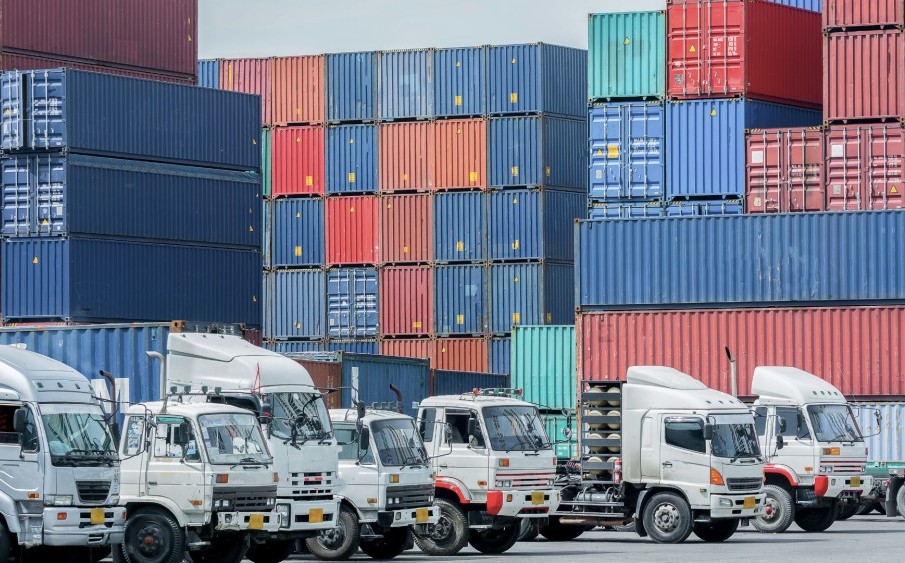
Jakarta, The Gulf Observer: The Indonesian government is removing business barriers and reducing additional operational costs to encourage greater private sector investment in roll-on/roll-off (RoRo) logistics shipping as part of efforts to strengthen the country’s national logistics system.
Speaking at a media briefing in Jakarta on Friday, Indonesian Transportation Minister Dudy Purwagandhi said the government welcomes private investment in RoRo logistics services, provided projects are commercially viable.
“We are removing obstacles so businesses can operate more smoothly without incurring additional costs,” the minister said, adding that the government would not restrict private participation in the sector as broader involvement is essential to improving Indonesia’s logistics network.
Purwagandhi clarified that the government would not introduce subsidy schemes for RoRo vessel operators, emphasizing that logistics services are commercial enterprises that must be managed according to each company’s economic and financial considerations.
Instead, the government is focused on creating a more favorable investment climate by eliminating business barriers, including unnecessary operational costs and complex licensing procedures. He noted that reducing such obstacles would enable companies to improve operational efficiency and make investment in the sector more attractive.
The minister added that if businesses still consider RoRo operations commercially unviable, factors such as market demand should be carefully assessed. To address this, the government is preparing a range of measures, including incentives aimed at increasing the use of RoRo-based logistics services.
Purwagandhi also revealed that ASDP Indonesia Ferry has begun planning RoRo container shipping services on several routes. However, he stressed that the government cannot compel private companies to make similar investments, as such decisions depend entirely on each firm’s financial capacity and commercial calculations.
He expressed confidence that expanding RoRo logistics services would ease pressure on Indonesia’s road network by shifting a greater share of freight transportation from trucks to sea routes. Stronger market demand and more competitive shipping costs, he said, would encourage businesses to transport more cargo by sea, ultimately enhancing the efficiency and competitiveness of Indonesia’s national logistics system.