Indonesia to Continue Russian Crude Oil Imports to Strengthen Energy Security
Jakarta, The Gulf Observer: Indonesia will continue importing crude oil from Russia despite easing tensions in the Middle East and plans to reopen the Strait of Hormuz shipping route, the Ministry of Energy and Mineral Resources (ESDM) announced on Wednesday.
Speaking at a press conference in Jakarta, ESDM spokesperson Dwi Anggia said the procurement of Russian crude oil remains underway as part of the government’s strategy to strengthen national energy reserves.
She noted that while there were plans to reopen the Strait of Hormuz and the regional situation remained fluid, the government’s commitment to enhancing energy security had not changed.
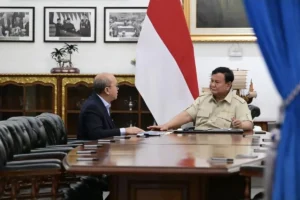
“President Prabowo Subianto’s directive is clear: Indonesia must continue strengthening its national energy reserves through various measures, including the import of crude oil from Russia,” Dwi said, adding that the process remains ongoing.
The policy is in line with Presidential Regulation No. 26 of 2026 on the Procurement of Crude Oil, Fuel Oil, and Liquefied Petroleum Gas for National Energy Security, issued under the administration of President Prabowo Subianto.
Under the regulation, several entities, including BBPMGB Lemigas, have been authorized to import crude oil to support the country’s energy security objectives.
Earlier, Energy and Mineral Resources Minister Bahlil Lahadalia tasked Lemigas with importing Russian crude oil as part of a broader energy procurement strategy.
The initiative forms part of Indonesia’s commitment to import 150 million barrels of Russian crude oil in stages through the end of 2026, following agreements reached during President Prabowo’s visit to Russia.
In addition to Russian supplies, Indonesia is actively pursuing crude oil imports from other countries to diversify its energy sources. According to the ministry, potential suppliers include Nigeria, Angola, and the United States.
Officials said the diversification strategy reflects directives from both the president and the energy minister to broaden supply channels, reduce risks, and ensure adequate energy reserves to support national energy security.