A Drug That Kills Fat Cells: What the CBL-514 Findings Mean, and What They Don’t
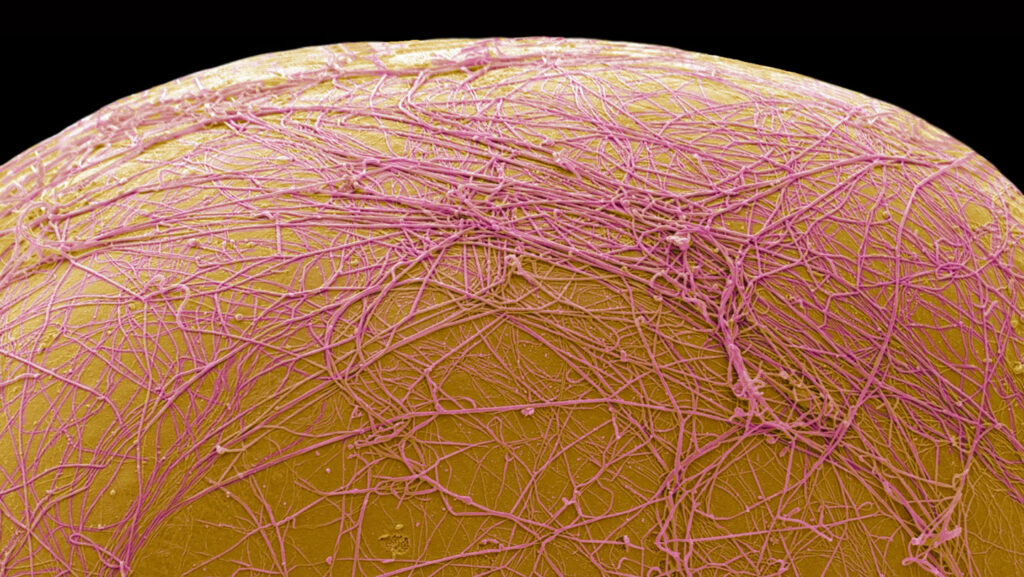
For decades, weight loss has had one stubborn limitation. Diet, exercise, and even the newest weight-loss drugs make fat cells smaller, but they don’t get rid of them. The cells stay in the body, emptied but still there, and can fill up again. This is one reason regained weight is so common. An experimental injectable called CBL-514 takes a different approach. Instead of shrinking fat cells, it pushes them into apoptosis, the body’s own programmed cell-death process. New data presented on October 1 at the European Association for the Study of Diabetes meeting in Milan suggest it may also reduce the most dangerous kind of body fat.
Why visceral fat is the real target
Not all fat carries the same risk. Subcutaneous fat, the soft layer you can pinch under the skin, is mostly a cosmetic issue. Visceral fat is different. It sits deep in the abdomen around the liver, intestines, and other organs. It is metabolically active and drives inflammation, and it is strongly linked to type 2 diabetes, fatty liver disease, and cardiovascular disease. Someone of normal weight can still carry harmful amounts of it.
Earlier research, published in 2025 in the Aesthetic Surgery Journal, had already shown that CBL-514 reduces subcutaneous belly fat. That placed the drug mainly in the aesthetic market, as a possible non-surgical alternative to liposuction. The new findings matter because they move the conversation from appearance toward metabolic health.
What the trials found
Researchers reviewed MRI scans from a subset of participants in two small clinical trials. Participants ranged from healthy weight to overweight. They received injections of CBL-514 or a placebo into the lower abdomen every three weeks for up to 12 weeks. Both groups started with similar visceral fat volumes, about 640 to 680 milliliters on average.
Four weeks after treatment ended, the drug group had lost roughly 71 mL of visceral fat, about a 12 percent drop. The placebo group had gained about 31 mL. At eight to 12 weeks after treatment, the drug group was still about 63 mL below its starting point, roughly a quarter cup or a 10 percent reduction. The placebo group had climbed more than 78 mL above its baseline.
Reading the numbers carefully
Several points deserve attention before this is called a breakthrough.
The widening gap comes mostly from the placebo group. The drug group’s loss stayed roughly level, and even eased slightly, from about 71 mL to about 63 mL. The gap between the groups widened because the placebo group kept gaining fat, rising by more than 11 percent in a few months. That is an unusually large gain for a control group. It may reflect the small sample size, seasonal or lifestyle factors, or measurement variability. A strong control-group swing like this makes a treatment effect look bigger than the drug’s own contribution. The more cautious figure is the drug group’s own result: a sustained reduction of roughly 10 percent from baseline.
The evidence is still early. These results come from a conference presentation, not a full peer-reviewed paper. They are drawn from a subset of participants in two small trials, and the summary gives no detailed safety data from this analysis. Phase 2 signals often shrink or disappear in larger trials.
The mechanism raises an interesting question. The drug was injected into subcutaneous belly fat, yet visceral fat deeper in the abdomen also decreased. Whether the drug spreads to deeper tissue, triggers a wider metabolic response, or works some other way is not yet clear. The answer will matter both for understanding how well it works and for judging safety.
Health outcomes have not been shown. Less visceral fat is a reasonable stand-in for lower metabolic risk, but it is not the same as preventing diabetes or heart attacks. No such outcomes have been measured.
Long-term effects of killing fat cells are unknown. Fat tissue stores energy and also releases hormones. Permanently removing fat cells could have effects that only show up over years. When fat-storage capacity drops, the body may store excess energy elsewhere, including in the liver, muscle, or other fat depots.
Where it could fit
The timing is notable. GLP-1 drugs such as semaglutide and tirzepatide have transformed obesity treatment, but they work through appetite and metabolism across the whole body. When patients stop taking them, much of the weight often comes back. A drug that permanently removes fat cells in a targeted area works in a completely different way. In principle, it could complement GLP-1 therapy rather than compete with it, for example by targeting visceral fat in people whose metabolic risk is high despite a modest body weight. That group is especially relevant in South Asia and the Gulf, where visceral fat and diabetes risk often appear at lower BMIs than in Western populations.
Larger trials testing efficacy and safety are underway. Those results will show whether CBL-514 stays a niche body-contouring product or becomes a real tool against metabolic disease.
Conclusion
CBL-514 offers a promising new idea: removing harmful fat cells instead of shrinking them. The early numbers show a moderate, sustained cut in visceral fat. However, the data are small, preliminary, and not yet peer-reviewed, and much of the headline gap comes from an unusual placebo-group gain. The idea deserves attention, but it is still a hypothesis, not a proven treatment.