Azerbaijani MPs and NGOs Urge US Congress to Support Armenia-Azerbaijan Peace Process
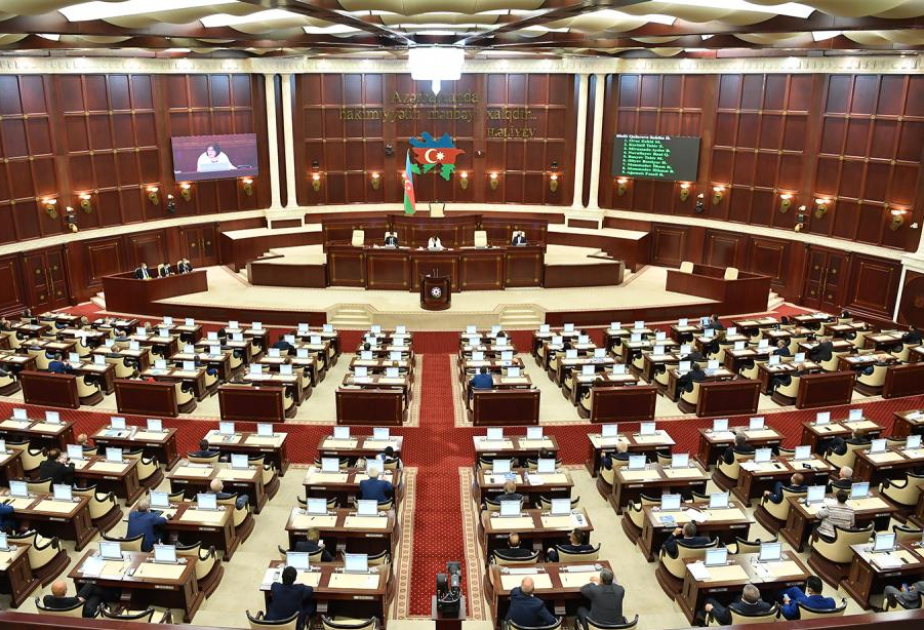
Baku, The Gulf Observer: Members of Azerbaijan’s Milli Majlis and representatives of several non-governmental organizations have sent a joint letter to senators and members of the US House of Representatives, urging Congress to support the ongoing peace process between Azerbaijan and Armenia and strengthen bilateral relations between Baku and Washington.
In the letter, the Azerbaijani parliamentarians and civil society representatives responded to a communication concerning Azerbaijan dated October 5, 2026. They emphasized the importance of historical and legal context in assessing the conflict and warned that certain characterizations could complicate progress achieved through US diplomatic engagement.
The signatories recalled the decades-long conflict and the occupation of approximately 20 percent of Azerbaijan’s internationally recognized territory. They cited the deaths of more than 20,000 Azerbaijanis, the displacement of over one million people, and the unresolved fate of 4,010 missing Azerbaijanis. The letter also referred to the Khojaly massacre, in which 613 civilians were killed, and the destruction of settlements, religious sites and cultural heritage.
Highlighting the continuing humanitarian consequences of the conflict, the signatories said landmines and explosive remnants of war remained a serious threat to civilian lives, reconstruction and the safe return of displaced families. According to the letter, Azerbaijan estimates that nearly 1.5 million landmines have affected approximately 13 percent of its territory, while more than 440 Azerbaijanis have been affected by mine and explosive-ordnance incidents since 2020.
They called on the US Congress to give sustained attention to humanitarian demining and the issue of missing persons, including efforts to establish the fate of those unaccounted for and obtain information about possible burial sites.
The letter praised President Ilham Aliyev’s efforts to advance peace, normalization and regional economic integration, stating that Azerbaijan had initiated the peace treaty process and submitted a draft agreement to Armenia. The signatories also acknowledged the role of US President Donald Trump in advancing diplomatic efforts.
They described the August 8, 2025, Washington Peace Summit as a major diplomatic milestone, noting that the Joint Declaration witnessed by President Trump and the initialling of the Agreement on the Establishment of Peace and Inter-State Relations between Azerbaijan and Armenia had created momentum for practical cooperation.
The signatories pointed to the commencement of trade, including Azerbaijani petroleum product exports to Armenia, and highlighted the proposed Trump Route for International Peace and Prosperity (TRIPP) as an opportunity to improve regional connectivity. They said the peace process had also opened prospects for strengthening the strategic partnership between Azerbaijan and the United States.
Addressing concerns over individuals detained and prosecuted in Azerbaijan, the letter disputed their description as “political and military leaders.” The signatories maintained that the individuals had held senior positions in what they described as an unlawful separatist structure established on Azerbaijan’s sovereign territory and had faced prosecution for serious offences, including war crimes.
They stated that the defendants had legal representation and that the courts had considered evidence and witness testimony before delivering judgments. While acknowledging the importance of due process, the signatories called for equal respect for Azerbaijan’s sovereignty and judicial institutions.
The letter also rejected the characterization of approximately 241 square kilometres as Armenian territory under Azerbaijani occupation. The signatories said Azerbaijan recognized Armenia’s sovereignty and territorial integrity, adding that the precise alignment of sections of the international border should be resolved through bilateral delimitation and demarcation mechanisms.
On cultural heritage, the Azerbaijani representatives called for a universal and non-discriminatory approach to protecting religious and historical sites. They urged the US Congress to consider the destruction and desecration of Azerbaijani mosques, cemeteries, shrines and historical monuments in formerly occupied territories and in Armenia.
The signatories further called for the full repeal of Section 907 of the FREEDOM Support Act, arguing that the provision no longer reflected current geopolitical realities or the state of Azerbaijan-Armenia relations. They maintained that its repeal would help unlock the full potential of bilateral cooperation and signal US congressional support for regional peace.
Emphasizing the importance of bipartisan engagement in Washington, the letter urged American lawmakers to view peace between Azerbaijan and Armenia as an opportunity to advance regional stability, economic cooperation and US interests rather than as a matter of partisan disagreement.
The signatories also stressed that outstanding humanitarian, legal, political and practical issues should be addressed through direct bilateral engagement between Azerbaijan and Armenia, with international partners supporting solutions acceptable to both sides.
Concluding the appeal, the Azerbaijani parliamentarians and NGO representatives called on US lawmakers to consolidate the progress achieved since the Washington Summit, strengthen Azerbaijan-US relations and support efforts to secure lasting peace in the South Caucasus.
The letter was signed by members of Azerbaijan’s Milli Majlis and representatives of organizations working in areas including human rights, mine victims’ support, missing persons, social and economic research, journalism and civil society development.