Britain Rejects Calls for Sanctions Over Western Sahara, Reaffirms Support for Morocco’s Autonomy Plan
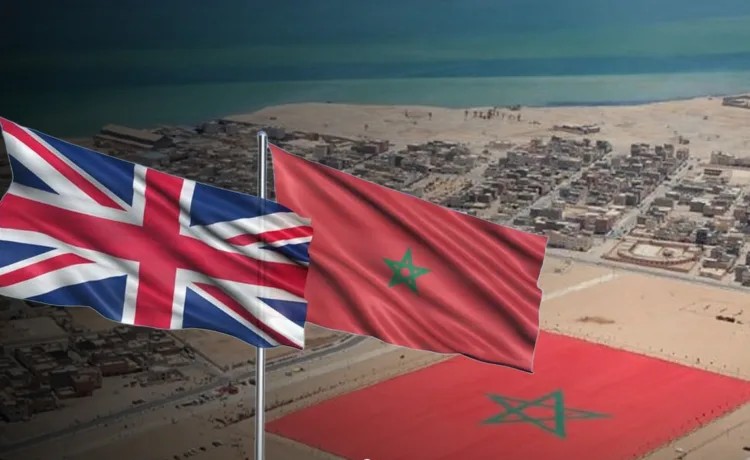
London, The Gulf Observer: The United Kingdom has rejected calls to impose sanctions on trade with Western Sahara, reiterating its support for a United Nations-led political process aimed at achieving a lasting and mutually acceptable settlement of the dispute.
The position was set out in a written response issued by Lord Wood of Anfield, Parliamentary Under-Secretary of State at the UK Foreign, Commonwealth and Development Office, on September 28, 2026, in response to a question from Crossbench peer Baroness Ruth Deech regarding sanctions on trade with Western Sahara.
Lord Wood said the UK would continue to engage with all relevant parties in support of the UN-led process, with the objective of reaching a “just, lasting and mutually acceptable solution” based on compromise and consistent with the purposes and principles of the UN Charter, including respect for self-determination.
The British government’s position follows a broader policy shift in its approach to the Western Sahara dispute. Under the UK-Morocco Strategic Dialogue in June 2025, London said Morocco’s autonomy proposal, submitted in 2007, represented the “most credible, viable and pragmatic basis” for a lasting resolution of the dispute.
At the same time, the UK reaffirmed the central role of the UN-led political process and expressed support for the efforts of the UN Secretary-General’s Personal Envoy to bring the parties together and facilitate negotiations.
The 2025 UK-Morocco joint communiqué also stated that London would continue to act bilaterally, economically, regionally and internationally in line with its position supporting efforts to resolve the dispute. It welcomed Morocco’s willingness to engage with relevant parties and provide further details concerning what autonomy within the Moroccan state could entail for the region.
The latest parliamentary response therefore maintains Britain’s existing approach of supporting a negotiated settlement under UN auspices while backing Morocco’s autonomy proposal as the framework it considers a basis for resolving the long-running dispute.
The development comes as the UK and Morocco continue to strengthen bilateral relations across political, economic, security and regional cooperation areas.