Tajikistan Hosts Fourth Central Asian Regional Dialogue on Circular Economy
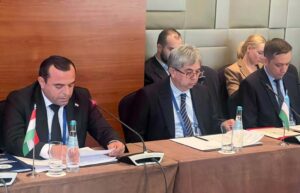
Dushanbe, The Gulf Observer: The Fourth Regional Dialogue on the Circular Economy in Central Asia was held on Monday under the chairmanship of Aziz Giyozoda, Deputy Chairman of the Assembly of Representatives of the Supreme Assembly of Tajikistan, focusing on the relationship between the circular economy, climate action, investment and innovative entrepreneurship.
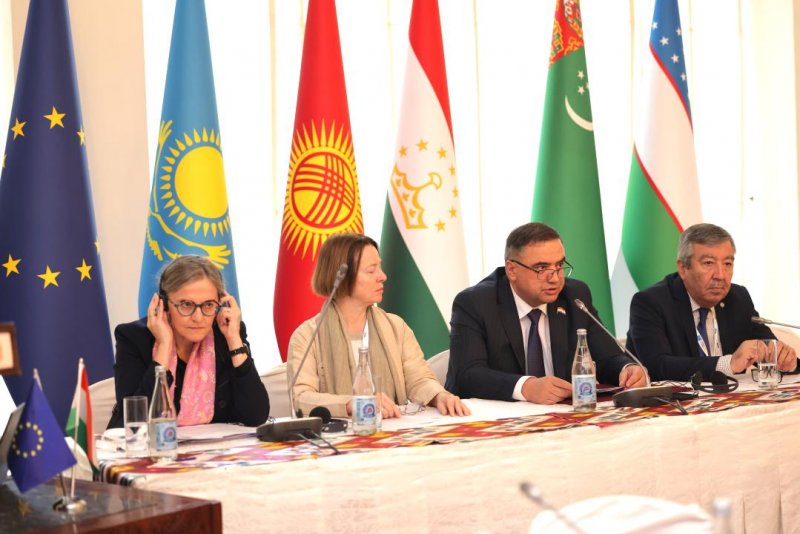
According to the Khovar News Agency, representatives of the parliaments of Central Asian countries, government bodies, the European Union, international organizations, financial institutions, business communities and expert circles participated in the dialogue.
The event was organized in cooperation with the Assembly of Representatives of Tajikistan under the European Union’s SWITCH-Asia programme, with support from the Regional Environmental Centre for Central Asia (CAREC).
Addressing the participants, Giyozoda emphasized that the circular economy had evolved beyond environmental protection and waste management to become an important driver of economic growth, industrial modernization, enhanced competitiveness, investment attraction and climate resilience.
During the working sessions, parliamentarians from Kazakhstan, Kyrgyzstan, Tajikistan, Turkmenistan and Uzbekistan discussed ways to improve legislation on the circular economy, address climate and investment-related issues, strengthen the role of businesses in implementing circular economy principles and expand interparliamentary cooperation.
Orif Amirzoda, Chairman of the Environmental Commission of the Assembly of Representatives of Tajikistan, briefed participants on the country’s efforts to develop and adopt an Environmental Code, improve waste management systems and incorporate specific circular economy indicators into Tajikistan’s Medium-Term Development Programme for 2026–2030.
Participants noted that the region was gradually moving from discussions on circular economy principles towards developing practical mechanisms for their implementation.
For Tajikistan, the next step is to integrate legislation, circular economy solutions, climate impact considerations and investment into a unified framework to ensure effective implementation, they emphasized.
The dialogue also highlighted the importance of further developing the Central Asian Parliamentary Platform, exchanging legislative experience and strengthening cooperation among parliaments, government agencies, businesses, financial institutions and international partners.
Participants stressed that stronger regional cooperation and the efficient use of natural resources would be essential to advancing the circular economy, promoting sustainable development and addressing common environmental and climate challenges across Central Asia.