Việtnam Calls for Responsible Use of Emerging Technologies to Ensure Maritime Security
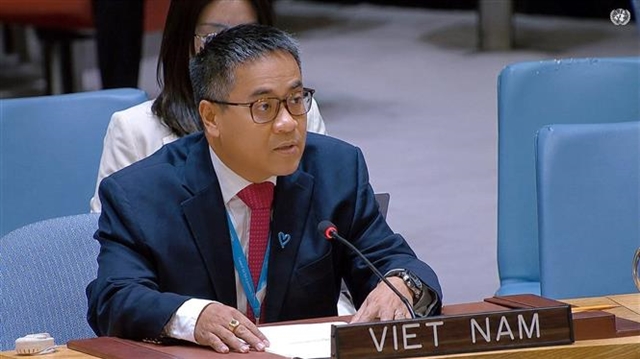
New York, The Gulf Observer: Việt Nam has called on the international community to strengthen cooperation and ensure the responsible use of emerging technologies to promote peace, security and sustainable development, particularly in the maritime domain.
The call was made by Minister-Counsellor Nguyễn Hải Lưu, Deputy Permanent Representative of Việt Nam to the United Nations, during a high-level open debate of the UN Security Council on “Emerging Technologies and Maritime Security: Implications for Peace and Security” at UN Headquarters in New York on Friday.
Lưu highlighted that emerging technologies, including artificial intelligence, satellite systems and autonomous technologies, offer significant opportunities to enhance maritime safety, improve search and rescue operations and strengthen marine environmental protection.
However, he cautioned that the misuse of these technologies could pose serious threats to seafarers, disrupt global supply chains and increase the risk of escalating international tensions.
He emphasized that the development and application of maritime technologies must strictly comply with international law, particularly the UN Charter and the 1982 United Nations Convention on the Law of the Sea (UNCLOS).
He further stressed that such technologies must respect the sovereignty, sovereign rights and jurisdiction of coastal states, uphold freedom of navigation and overflight in accordance with international law, and contribute to the peaceful settlement of disputes.
The Vietnamese representative also underscored the importance of maintaining effective human oversight and accountability in the deployment of increasingly autonomous technologies.
To strengthen international cooperation, Lưu proposed improving early warning mechanisms, information-sharing arrangements and emergency communication channels to address cybersecurity incidents and disruptions to maritime systems before they develop into broader security crises.
He also called for greater support for developing countries in building technological capabilities and securing affordable access to modern technologies, particularly those required for maritime cybersecurity, monitoring maritime developments and responding effectively to emergencies.
Highlighting the role of multilateral institutions, Lưu emphasized that the United Nations, the International Maritime Organization (IMO) and regional mechanisms, including ASEAN-led frameworks, have an important role in promoting cooperation and preventing conflicts.
He reaffirmed Việt Nam’s readiness to work with international partners to contribute to maintaining peace and security at sea on the basis of international law.
During the debate, participating countries highlighted the opportunities presented by emerging technologies in improving maritime domain awareness, strengthening surveillance and enhancing early warning capabilities.
At the same time, they expressed concerns over growing security challenges, particularly cyberattacks targeting critical maritime infrastructure and undersea communication cables. Such attacks could disrupt shipping operations, international trade, the movement of goods and global supply chains, while the declining costs of launching cyberattacks were making these threats increasingly accessible.
Most participating countries stressed the need to ensure compliance with international law, maintain meaningful human oversight in the use of artificial intelligence and strengthen the protection of undersea cables and other critical maritime infrastructure.
They also called for enhanced cybersecurity measures, closer cooperation with the maritime industry and effective safeguards to ensure the security of commercial vessels, including during armed conflicts.
The debate concluded with broad recognition of the importance of information sharing, capacity-building and multilateral cooperation to maximize the benefits of emerging technologies while minimizing their potential risks to international maritime security.