Vietnam to Build 248 Border Boarding Schools to Promote Development and Regional Cooperation
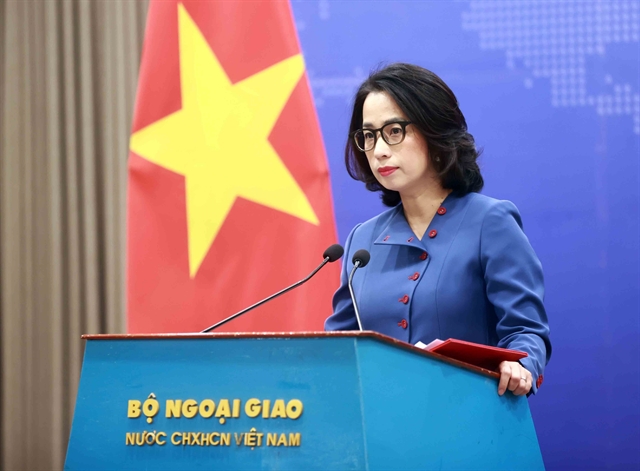
Hanoi, The Gulf Observer: Vietnam’s Ministry of Foreign Affairs has said that the construction of 248 inter-level boarding schools in land border communes will strengthen people-to-people exchanges, promote sustainable development, and deepen cooperation with neighboring countries.
Speaking at the ministry’s regular press briefing on Thursday, Foreign Ministry spokesperson Phạm Thu Hằng said the initiative follows a recent decision by the Politburo to invest in primary and secondary boarding schools across 248 land border communes nationwide.
She described the project as a strategic policy with significant humanitarian value, reflecting the Communist Party of Vietnam and the State’s commitment to improving educational opportunities and living conditions for residents in remote, border, and disadvantaged areas.
Hằng noted that the initiative forms a key component of Vietnam’s socio-economic development and ethnic affairs policies, aimed at enhancing the material and spiritual well-being of border communities while reinforcing national defence and security.
She said the first phase of the programme, covering the construction of 100 schools, is progressing as planned and is expected to be completed in time for the 2026–27 academic year.
Quoting Party General Secretary and State President Tô Lâm, the spokesperson said the schools would serve as “soft markers” of border education by developing human resources and supporting sustainable socio-economic growth in border regions.
According to Hằng, the boarding schools are also expected to promote exchanges and cooperation among border localities, strengthen ties between Vietnam and its neighbouring countries, foster greater mutual understanding and trust, and provide a solid social foundation for peaceful border management and protection.
She added that the initiative would contribute to maintaining a peaceful and stable environment while advancing long-term regional cooperation based on mutual respect for independence, sovereignty, territorial integrity, and the legitimate interests of all countries involved.