Andes Hantavirus: Why It Kills So Quickly—and How New Research Could Change Treatment
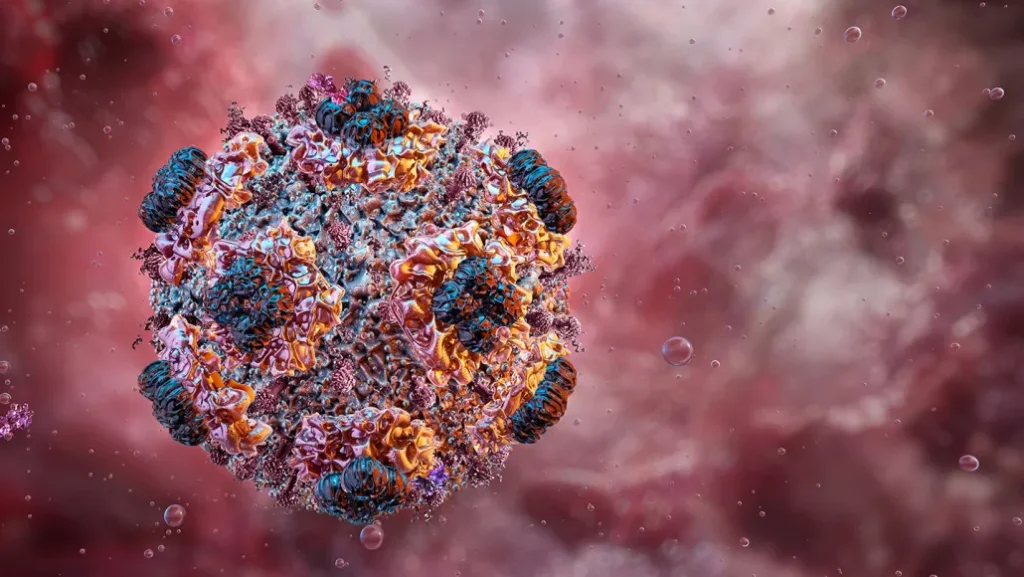
The recent outbreak of Andes hantavirus aboard the cruise ship MV Hondius has renewed global attention on one of the world’s deadliest viral diseases. While hantavirus infections remain relatively rare, the Andes strain is particularly concerning because it can spread from person to person and can cause a rapidly fatal condition known as hantavirus cardiopulmonary syndrome (HCPS). New scientific findings are challenging long-held assumptions about how the virus causes death and are opening potential avenues for future treatment.
A Different Kind of Killer
Unlike influenza, COVID-19, or respiratory syncytial virus (RSV), Andes hantavirus does not primarily destroy lung tissue. Instead, researchers have found that the virus infects the endothelial cells lining blood vessels, particularly the tiny capillaries throughout the body. Remarkably, these infected cells remain alive, allowing the virus to evade immune detection while continuing to replicate.
This discovery helps explain one of the disease’s most puzzling features: patients often appear stable for days or weeks before deteriorating dramatically. After an incubation period that can last up to 45 days, blood vessels suddenly become permeable, allowing plasma to leak into surrounding tissues. In the lungs, this leakage causes rapid fluid accumulation, leading to respiratory failure, shock, and, in severe cases, death within hours.
The Mystery of Rapid Collapse
Scientists still do not know exactly what triggers the sudden vascular leak syndrome associated with severe hantavirus disease. However, evidence increasingly points to an overactive immune response rather than direct viral destruction. Elevated levels of inflammatory molecules such as interleukin-6 (IL-6) and bradykinin appear to weaken the junctions that normally keep blood vessels sealed.
The consequences can be devastating. Patients may progress from mild symptoms to mechanical ventilation and extracorporeal membrane oxygenation (ECMO)—a heart-lung bypass machine—within a matter of hours. Clinical observations from Chile indicate that most fatalities occur within the first 24 hours of hospital admission, underscoring the need for rapid diagnosis and intervention.
Why Survivors Recover So Well
One of the most unusual aspects of Andes hantavirus infection is that survivors often recover completely. Unlike severe cases of COVID-19 or influenza, which can leave lasting lung damage and fibrosis, hantavirus-induced vascular leakage typically reverses within two to three days once the acute phase subsides. Researchers believe this rapid recovery occurs because the virus does not permanently destroy the cells it infects.
This phenomenon has led scientists to focus less on repairing damaged lungs and more on preventing the vascular leak that triggers respiratory failure in the first place.
Treatment Gap Remains a Major Challenge
Despite decades of research, there are still no approved vaccines or specific antiviral therapies for hantavirus disease. Current treatment relies largely on supportive care, including oxygen therapy, intensive monitoring, mechanical ventilation, and ECMO for the most severe cases.
Several approaches have shown promise but remain unproven:
- Convalescent plasma therapy, using antibodies from recovered patients, may help if administered early in the disease course.
- Monoclonal antibody therapies are under development and could potentially neutralize the virus before severe symptoms develop.
- IL-6 pathway inhibitors are being investigated to determine whether they can prevent the inflammatory processes that lead to vascular leakage.
- Icatibant, a drug already approved for hereditary angioedema, has shown encouraging results in isolated hantavirus cases by blocking bradykinin activity.
Researchers believe that a combination of antiviral and immune-modulating therapies may ultimately prove most effective.
Lessons from the 2026 Outbreak
The 2026 Andes hantavirus outbreak linked to the MV Hondius cruise ship highlighted both the dangers of the virus and the gaps in current preparedness. The outbreak resulted in multiple deaths and prompted extensive international monitoring because Andes virus remains the only hantavirus known to spread between humans under certain conditions. Public health authorities ultimately contained the outbreak, but the incident exposed the lack of targeted treatments available when cases emerge.
Outlook
The most significant insight from recent research is that Andes hantavirus may be deadly not because it destroys the lungs, but because it disrupts the body’s vascular system. This shift in understanding is changing the direction of scientific investigation. Instead of focusing solely on antiviral drugs, researchers are increasingly exploring therapies that stabilize blood vessels and control harmful immune responses. If successful, these efforts could transform a disease with mortality rates approaching 20–40 percent into one that is far more manageable.
As scientists continue to unravel the mechanisms behind vascular leakage and immune dysregulation, the current outbreak may serve as a catalyst for developing the first effective targeted treatments against one of the world’s most lethal viral infections.